
Tips & Tricks for an Seamless Vacation in Greece
Greece is a stunning country with kind, welcoming locals, an intriguing past, stunning landscapes, and a bounty of beautiful islands. The country’s fantastic history, culture, and natural landscapes explain why it attracts over 30 million tourists annually. Before you visit Greece, discover with me these tips for a flawless time in the country!
This post has affiliate links. If you make a purchase, I might make a small commission at no extra cost to you.
After over 10 years living in the Greek island of Crete, I’ve learned more than a few things about Greece. Now it’s time to share these tips.
In this post, I discuss details such as how much to tip, whether or not to rent a car, and when to visit. Read on to ensure you are prepared for an unforgettable vacation to Greece.
Consider Island Time

Whether you’re on a Greek island or the mainland, you can expect everyone to be in a laid-back mood. That is to say, your expectations for timing may not be met.
The restaurant may not open precisely when the sign says it will, your taxi may be a few minutes late, and the boat may not show up for an entire day…
The best way to deal with this way of thinking is to just let things happen as they will. Your transportation won’t get there any faster if you worry about when it will arrive. Who can say? Maybe your delays will lead to an adventure you didn’t plan for.
Stores Close on Sundays
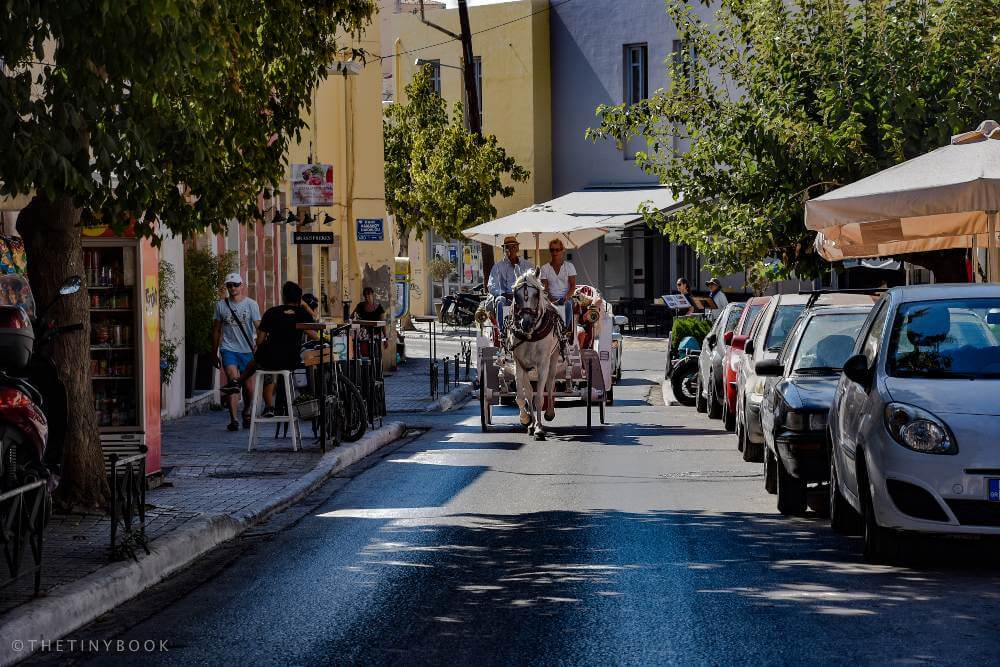
In the same way as island time, make sure you know ahead of time when the places you want to visit are open. There’s a good chance that they won’t always be open when you think they will be.
First of all, almost everything is closed in Greece on Sundays, except in super touristic places and during the peak of the high season.
If you visit tiny villages or in less popular months, remember that many shops also shut down in the early afternoon on Mondays and Wednesdays. When planning your trip, don’t forget to consider these times or asking the locals once at the destination.
Haggling is Expected

In many countries, including the US, the cost of an item is decided from the start. But one of the most crucial things to understand before visiting Greece is that haggling is commonplace here.
So it’s well worth learning how to get the best prices to get home as many souvenirs as possible! Knowing when to negotiate for a better price versus when not to is crucial. It’s actually relatively easy to tell when you can haggle.
Someone will always try to sell you something when you enter a store. If they expect you to pay the total price, that’s the price they’ll give. If they’re willing to make a deal, they’ll tell you the price and then offer a lower one if you buy it there and then (or something similar).
This is your signal to make a counteroffer.
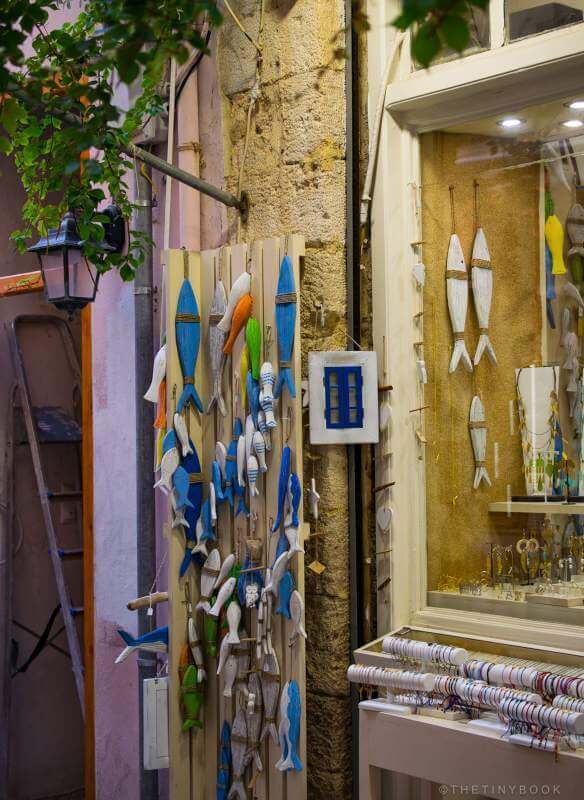
When it comes to the actual practice of negotiating, lowball offers are encouraged. Most likely, you’ll settle on a number somewhere in the middle. For example, if your initial offer was 50 percent of the asking amount, you might pay 75 percent.
Finally, if you disagree with the cost, you can leave. In fact, if you do, the other party is more likely to resume bargaining with you, this time with more favorable terms.
Cash is King

While the rest of Europe has moved to use plastic, life in Greece is still based primarily on cash on some islands. You can learn more about money and budgeting your trip here.
Considering my last point, that haggling is expected, it seems evident that cash is preferred because it would be cumbersome to put multiple prices into the cash register based on the customer’s bargaining abilities.
In large urban areas, sometimes in small towns too, you can always find an ATM if you need cash.
Some Areas are Not Wheelchair Accessible

You can get a pretty good idea of how accessible Greece is for people with disabilities by watching any movie that takes place there. To forewarn: it’s not.
On most islands, you will find hundreds of steps between each location. Cities were not designed with the disabled in mind, so if you or your travel companion has a disability, it’s wise to confirm in advance that your lodgings and modes of transportation are accessible.
If at all possible, make your reservations as far in advance as possible, as the limited number of establishments that offer accessible services tend to fill up quickly.
Greece is a Super-Friendly Place

Even though Greece isn’t the best place for people with disabilities, the Greek people are still very friendly. You’ll always feel like someone is looking out for you.
In fact, if you make friends with a local, they’ll probably feed you a lot of tasty food and give you a lot of shots of ouzo, which is a popular local drink (think of tsikoudia in Crete!).
Try Learning a Little Greek
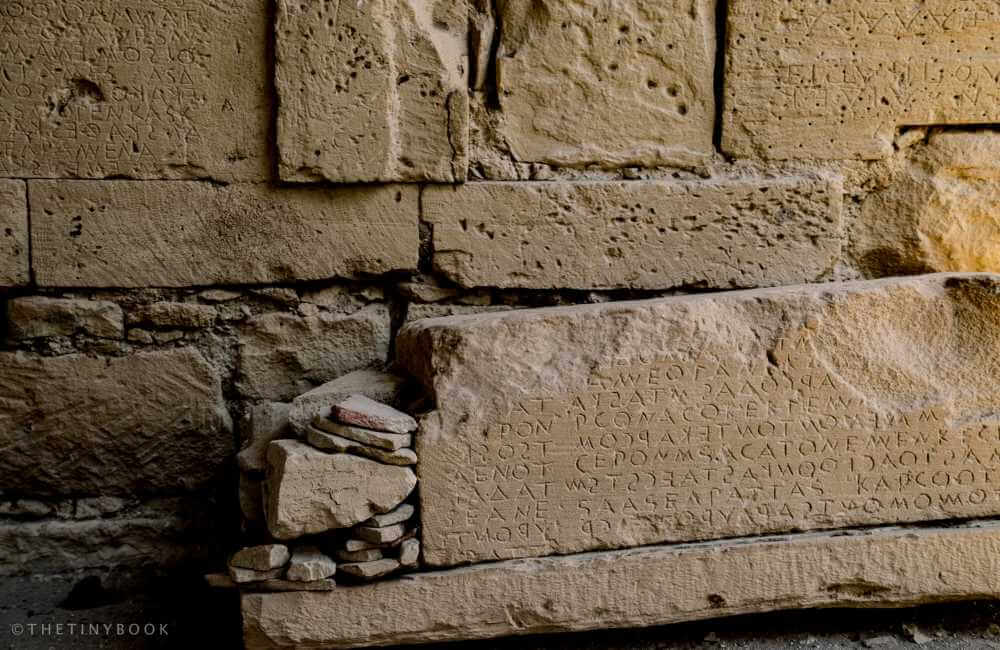
A little bit of the Greek language is one of the most important things to know before going to Greece. People everywhere in the world love it when you speak a little bit of their language.
The same is true in Greece. It shows you took the time to learn about them and their culture. No one expects you to be fluent in Greek, but knowing a few phrases won’t hurt.
You’ll Want A Camera
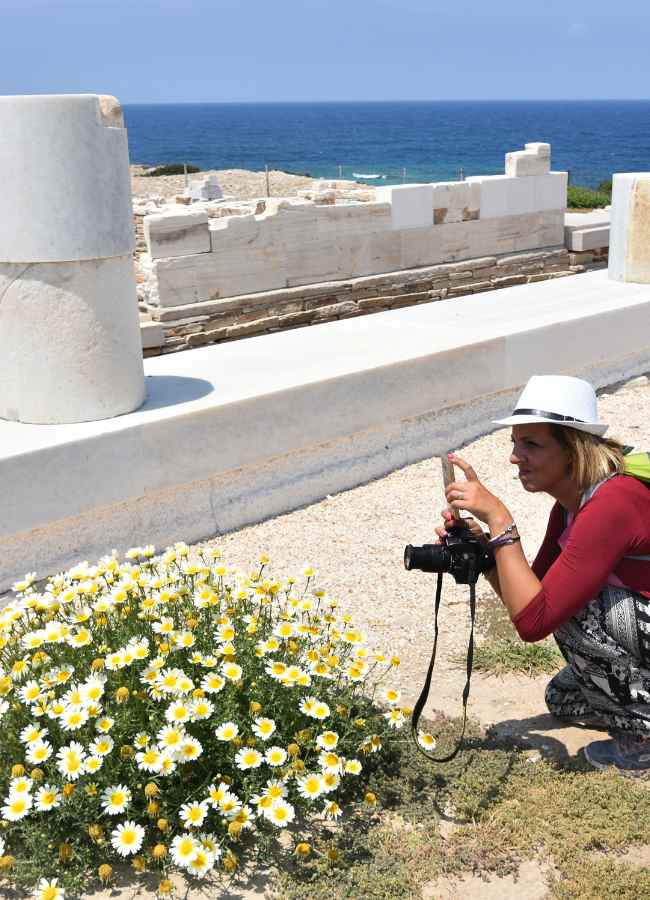
Everywhere you turn in Greece, no matter whether you’re on the mainland or one of the many islands, there is a picture-perfect image for you to enjoy.
Although I don’t recommend walking around with a camera or smartphone permanently attached to your face, looking out through a viewfinder (because you’ll miss a lot that way), taking some kind of camera with you is a good idea.
Chances are that you’ll want to remember the views for as long as possible and see things in Greece you’ll never find anywhere else. You’ll take far more snaps than you realize!
Tipping is Optional… Sort of!

Every country has its own rules about how to tip, and it can be hard to keep up. In Greece, giving a tip is not required.
However, leaving a tip when possible is always lovely, especially if the food and service are great and you have the money.
A good general rule of thumb is to tip about five to 10 percent at a restaurant. But check the receipt to make sure that a service charge hasn’t already been added to the bill. If that’s the case, there’s no need to tip.
>> Unwritten rules about tipping in Greece.
Pin for Later!
Tips for a Seamless Vacation in Greece



Gabi Ancarola
I have been living in Chania, Crete, since 2016. This has given me an intimate knowledge of Greece. In Crete, I’m a travel writer and also host culinary experiences. I co-authored DK Eyewitness Top 10 Crete. I write about Crete at Crete Insider and about Greek food at My Cretan Recipe.