
How to Visit Ancient Olympia: Ultimate Visitor Guide
Ancient Olympia — the birthplace of the Olympic Games and one of Greece’s most iconic archaeological sites — is a must-visit on any Greece or Mediterranean itinerary. You can get there if you’re cruising, traveling the Peloponnese, or on a road trip from Athens. This guide covers everything you need to plan your visit with confidence.
This post has affiliate links. If you make a purchase, I might make a small commission at no extra cost to you.
Perched in the fertile valley of the Alfeios River in the western Peloponnese, Ancient Olympia isn’t just a destination — it’s a journey back to the origins of a tradition that shaped the modern world.
Home of the original Olympic Games, this sprawling archaeological site and its excellent museums offer a vivid glimpse into athletic, religious, and artistic life in ancient Greece.
Did You Know?
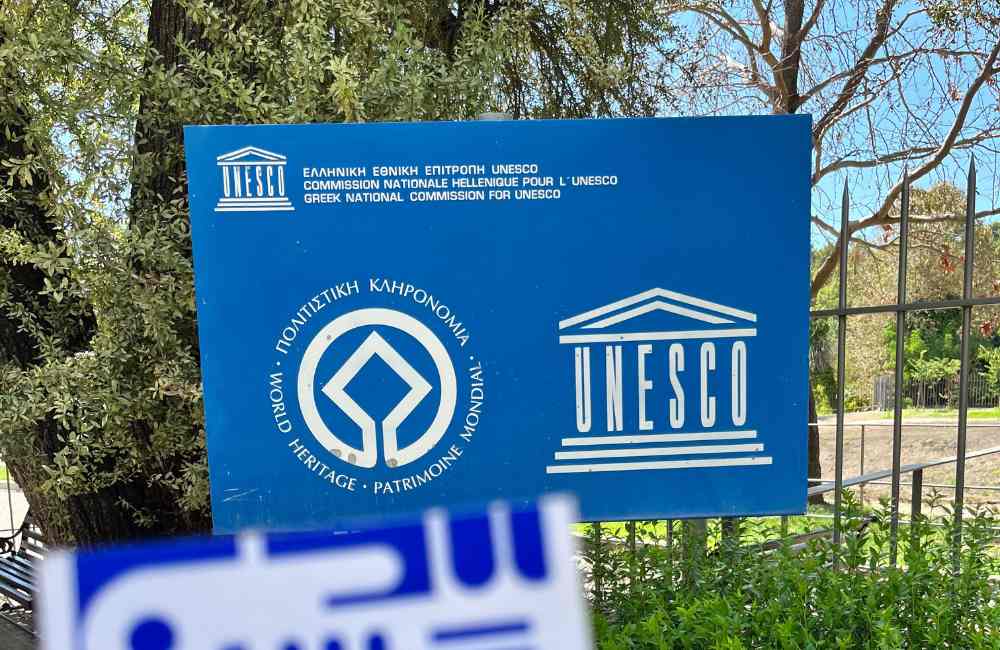
Ancient Olympia has been a UNESCO World Heritage Site since 1989, recognized for its unique blend of history, sport, and culture that shaped the Olympic Games we know today.
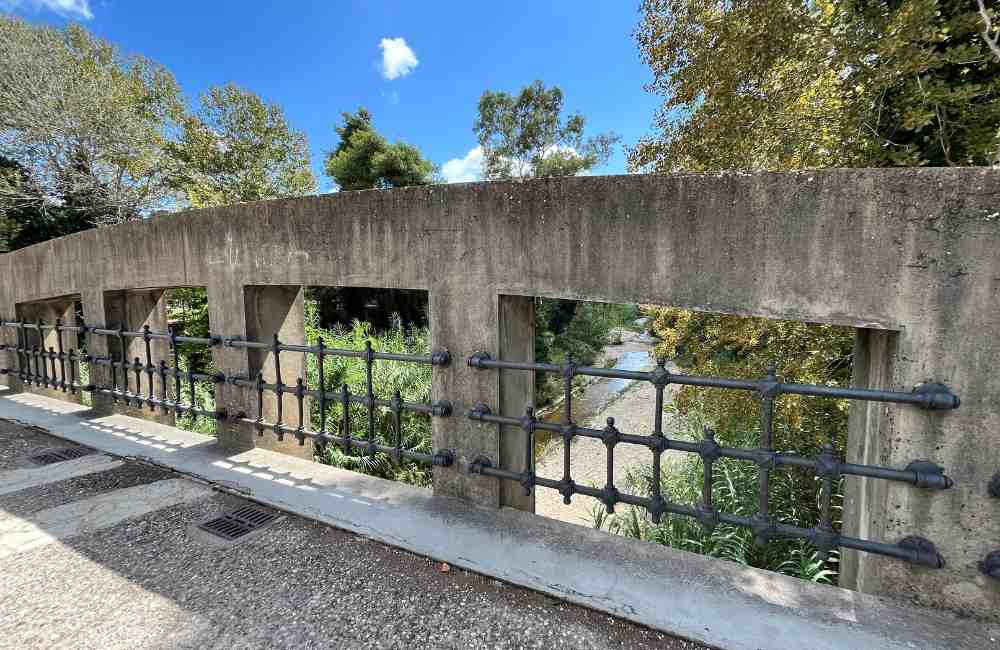
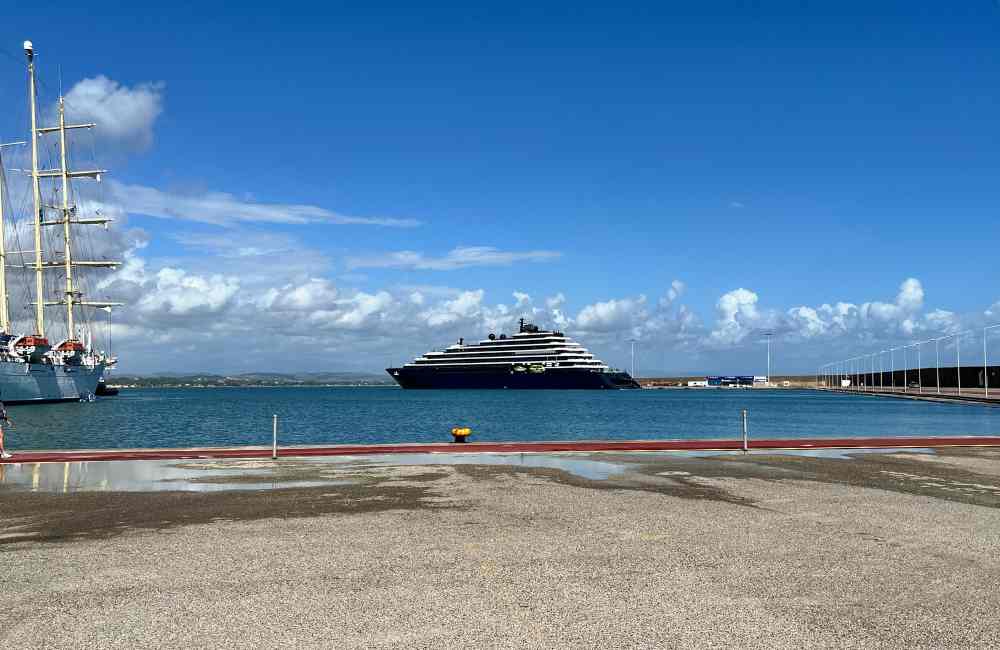
Its tranquil setting amid olive groves and rolling countryside adds to the magic of any visit, whether you come by road, cruise connection, or even by private yacht through nearby Katakolon.
What to see in Ancient Olympia
Ancient Olympia is not a single monument but an entire sacred landscape, known in antiquity as the Altis — a sanctuary dedicated primarily to Zeus. This was not a city, but a religious and athletic center that drew competitors and spectators from all over the ancient Greek world every four years.
Plan to spend at least 2–3 hours exploring the archaeological site and museum together.
The Ancient Stadium
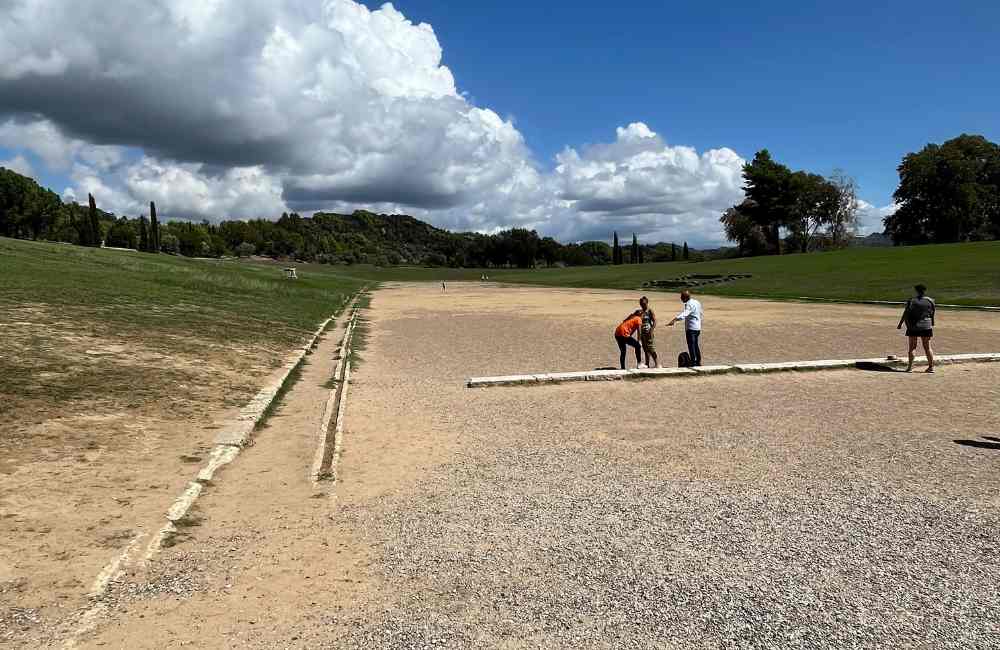
The Stadium is the emotional heart of Olympia and the site where the original Olympic Games began in 776 BC, continuing for nearly 1,200 years. Walking its grounds, you can almost imagine the roar of tens of thousands of spectators gathered on the grassy embankments.
The track is where the term stadium comes from. Athletes competed naked, a practice intended to celebrate physical perfection and honor the gods. The stone starting line (balbis) still survives, complete with grooves to hold the runners’ toes in place.
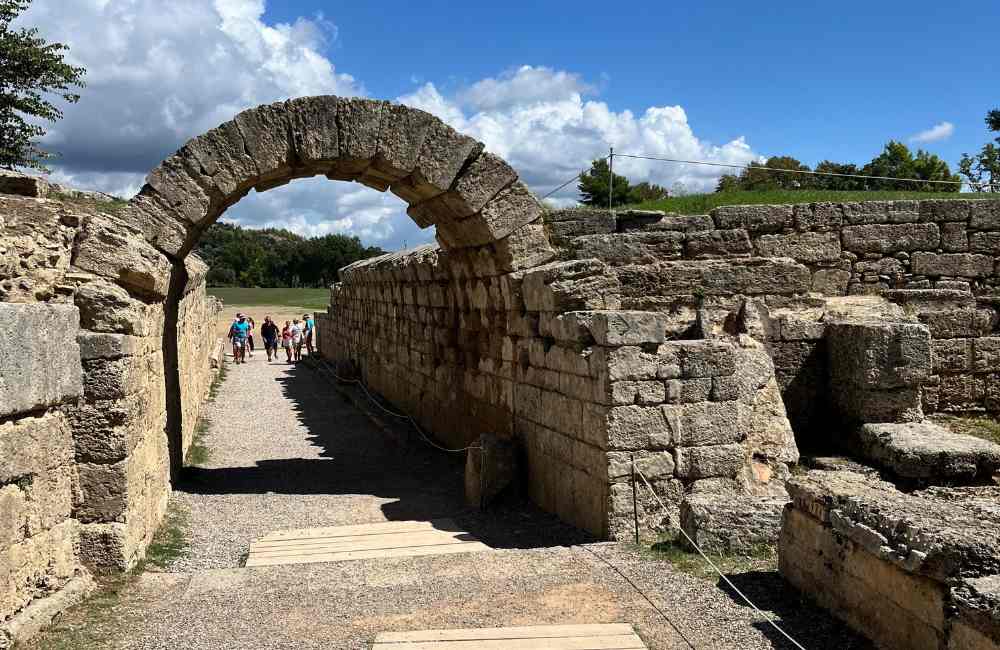
Passing through the arched entrance tunnel and stepping onto the track is a moving experience. You can feel the weight of history, imagining athletes sprinting toward victory, the crowd cheering, and the sacred rituals that made this place both a sporting and spiritual center of the ancient Greek world.
Key highlighs:
- It could hold up to 45,000 spectators, seated on grassy embankments.
- The track length — about 192 meters — gave the modern term stadium.
- Athletes competed naked, as a tribute to physical excellence and divine beauty.
- The stone starting line (balbis) is still visible today.
Did You Know?
Ancient Olympic athletes trained for months at Olympia, following strict diets of meat, olive oil, and barley. Winners became legends, honored with statues, poems, and lifelong privileges back home.
Temple of Zeus
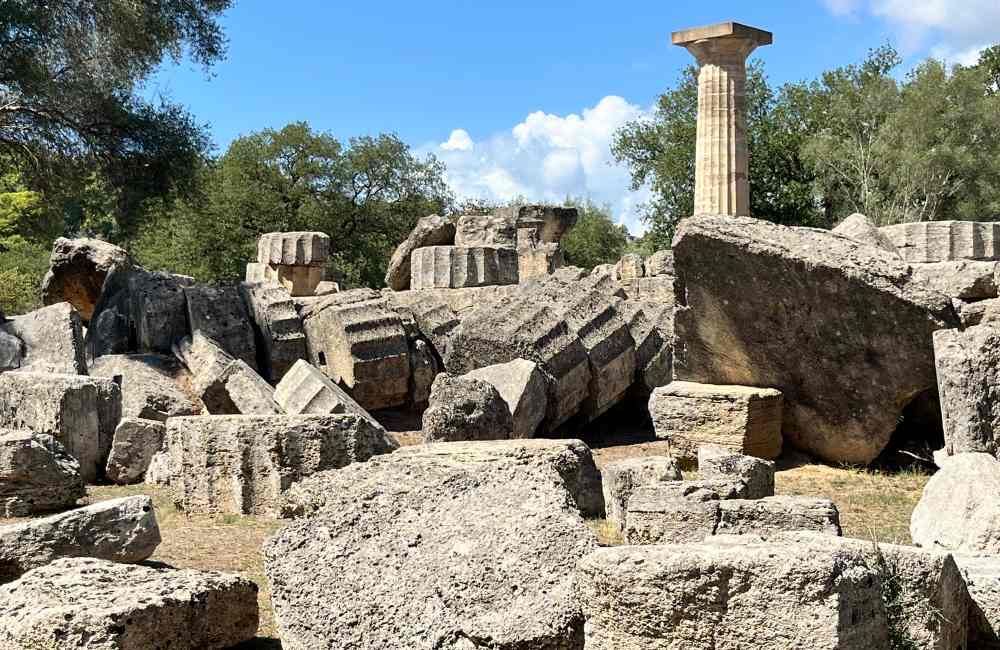
The Temple of Zeus, completed around 457 BC, was the most important building in Ancient Olympia and a masterpiece of Doric architecture.
Inside stood the famous Statue of Zeus, one of the Seven Wonders of the Ancient World, created by sculptor Phidias. Made of gold and ivory, the statue stood over 12 meters tall and depicted Zeus seated in majestic calm.
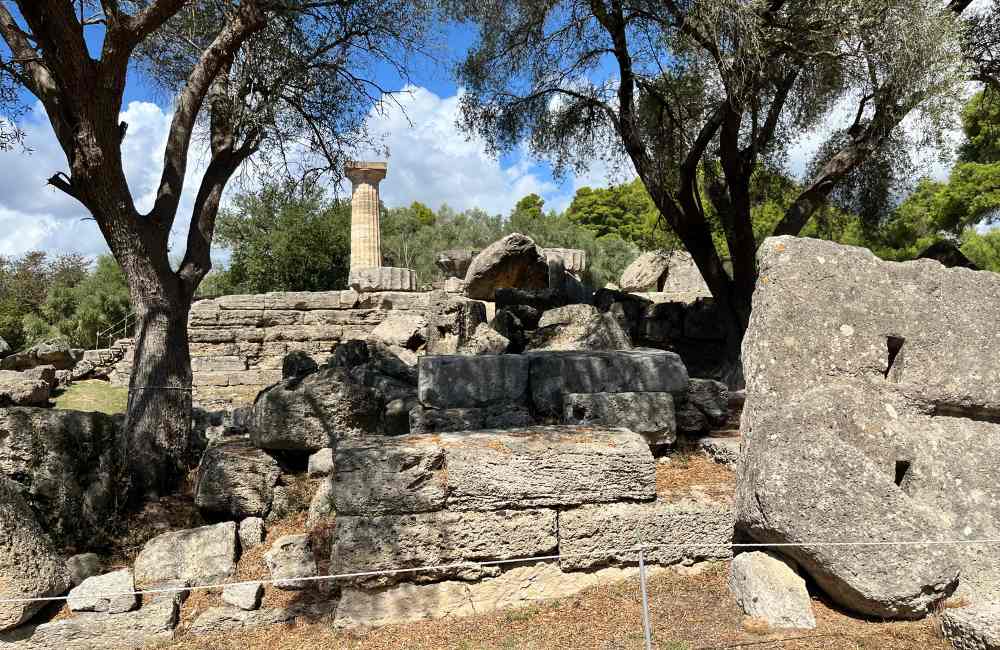
While the statue itself is lost, sculptural fragments from the temple and finds from Phidias’ workshop can be seen today in the Archaeological Museum of Olympia. Dedicated to Zeus, the sanctuary also symbolized unity and peace, as the Olympic Truce (ekecheiria) was observed across the Greek world during the Games.
Temple of Hera
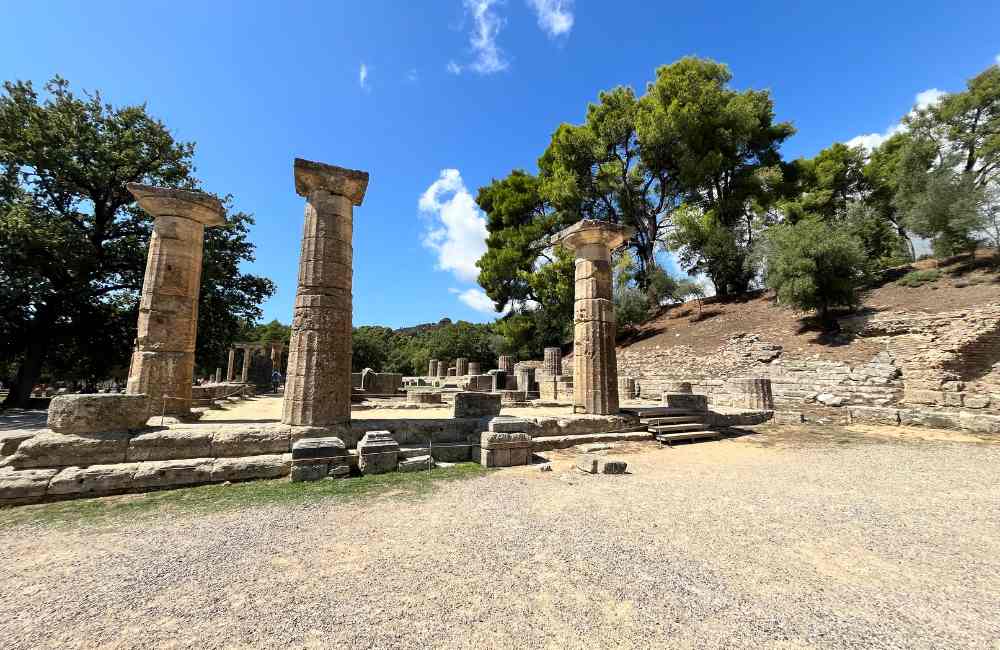
The Temple of Hera is the oldest temple at Olympia, dating back to around 600 BC.
- It is here that the Olympic flame is lit for every modern Olympic Games, using sunlight and a parabolic mirror.
- Originally, the temple housed wooden columns, later replaced with stone — evidence of early Greek architecture in transition.
- Remains of altars and votive offerings reveal how deeply ritual was embedded in daily life.
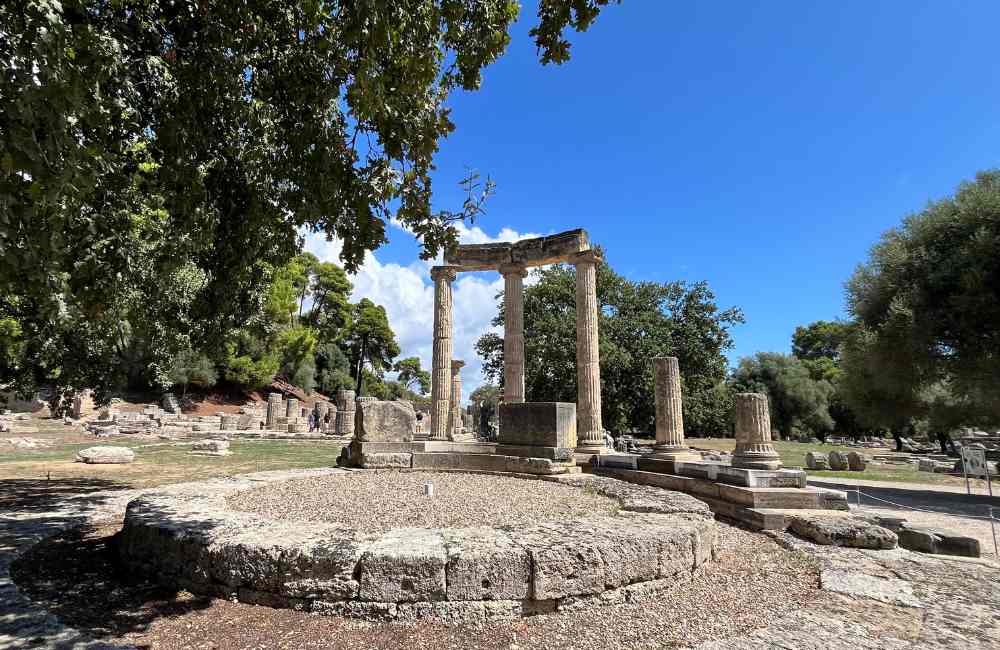
Philippeion
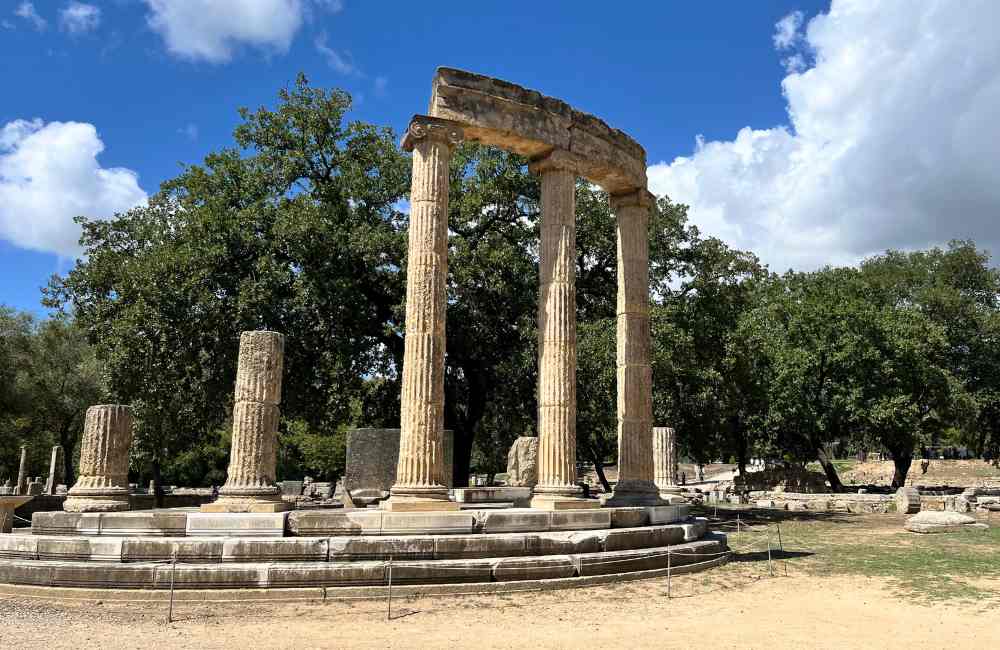
The Philippeion is a rare monument in Olympia — the only one inside the sanctuary dedicated to a human. It was built to celebrate Philip II of Macedon’s victory at Chaeronea (338 BC) and contained gold and ivory statues of Philip, his son Alexander the Great, and other family members, linking them to the gods.
The circular structure, about 15 meters across, had an outer Ionic colonnade and inner Corinthian columns, with a carved marble roof topped by a bronze poppy.
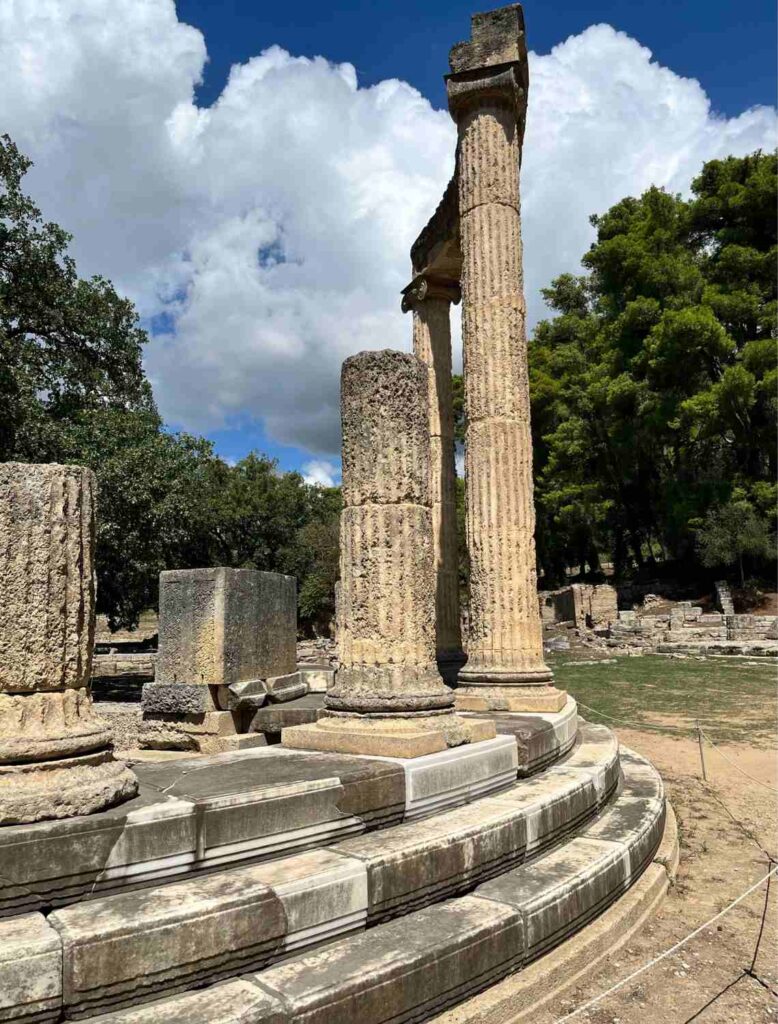
Including Alexander was a clear statement: he was the rightful heir. Whether Philip built it himself or Alexander finished it later is still debated, but either way, the Philippeion shows how power, art, and religion came together in ancient Olympia.
Palaestra & Gymnasium
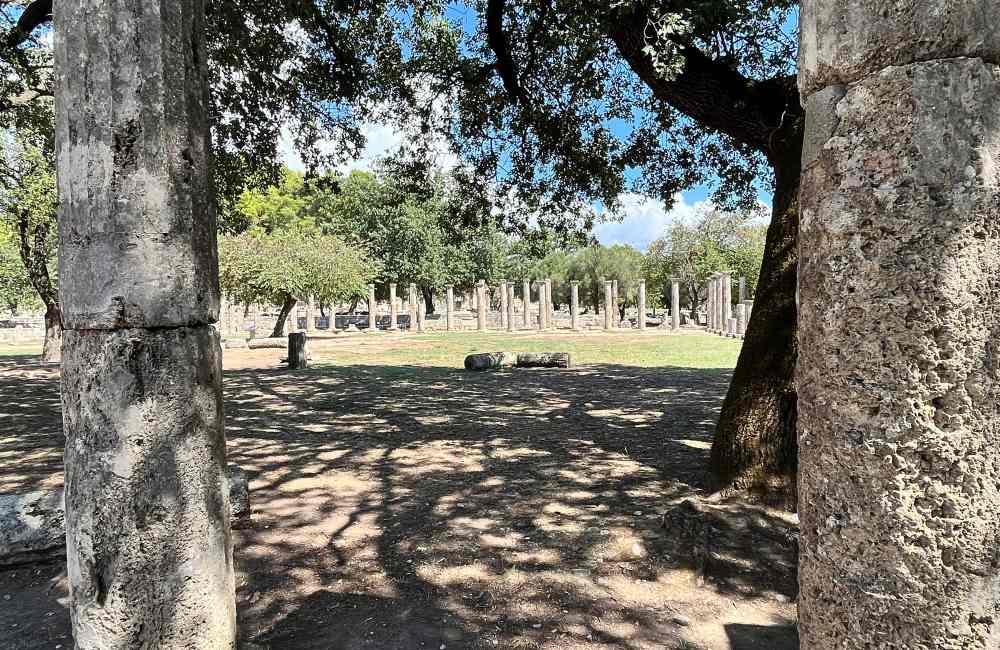
The Palaestra was Olympia’s wrestling and combat training ground, where athletes practiced wrestling, boxing, and pancration — a no-holds-barred martial art combining grappling, punching, and kicking. Strict rules and judges ensured fair play, and training here prepared young men for both the Games and civic life.
The square courtyard was surrounded by a roofed portico with rooms for instruction, preparation, and possibly housing athletes. Nearby, the Gymnasium served runners and other athletes in general training. Together, these spaces show the intensity and structure behind Olympic competition, far beyond the spectacle of the Games themselves.
Echo Stoa (Painted Stoa)
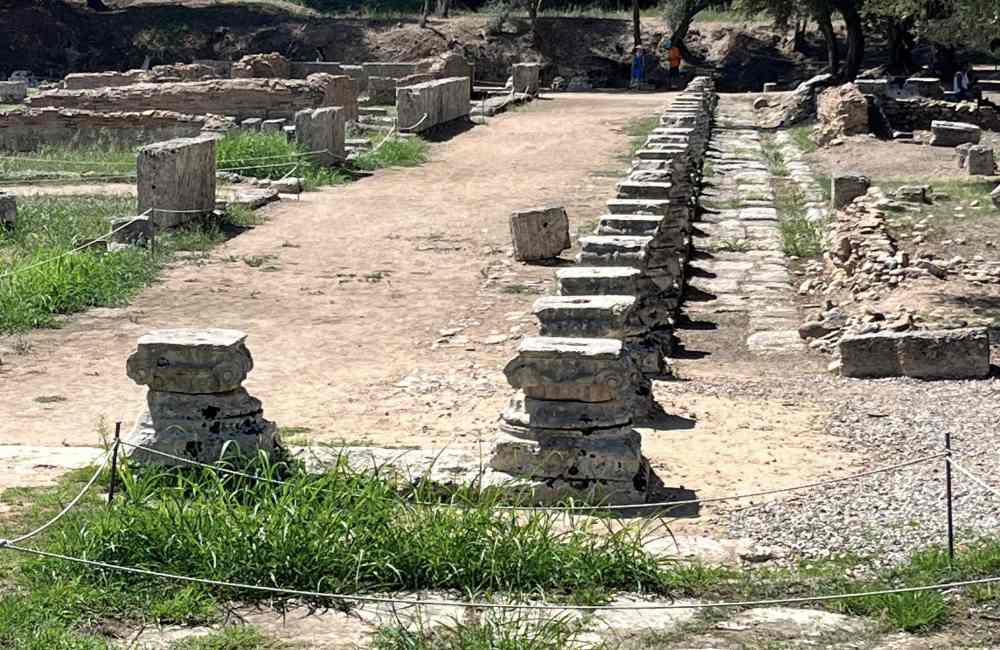
The Echo Stoa, located within the sanctuary of Zeus, was a long colonnaded walkway marking the eastern boundary of Ancient Olympia. Originally known as the Painted Stoa (Stoa Poikile), its walls were once decorated with paintings.
Built after the mid-4th century BC and stretching nearly 100 meters, the stoa featured inner and outer Doric columns. Its name comes from its unusual acoustics — a single sound was said to echo up to seven times. The structure separated the stadium from the sacred sanctuary, creating a clear boundary between athletic and religious spaces, and served as a prominent gathering and processional area during antiquity.
Workshop of Phidias
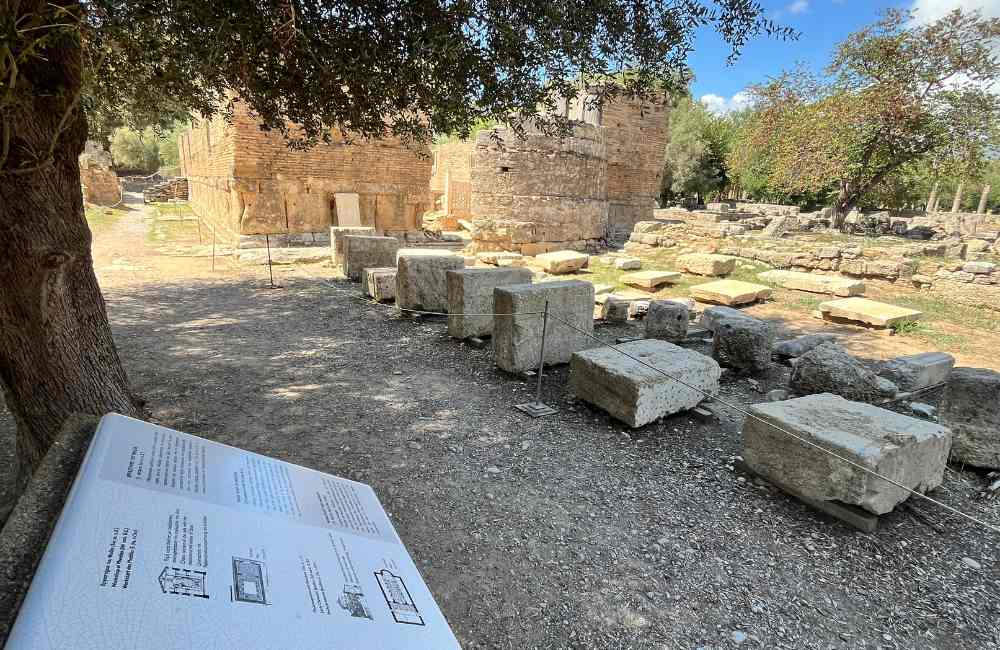
This place is believed to be the workshop where Phidias created the Statue of Zeus. Archaeological finds in this area of the archaeological site include tools, molds, and inscriptions.
The places was later converted into an early Christian church, showing Olympia’s long historical evolution.
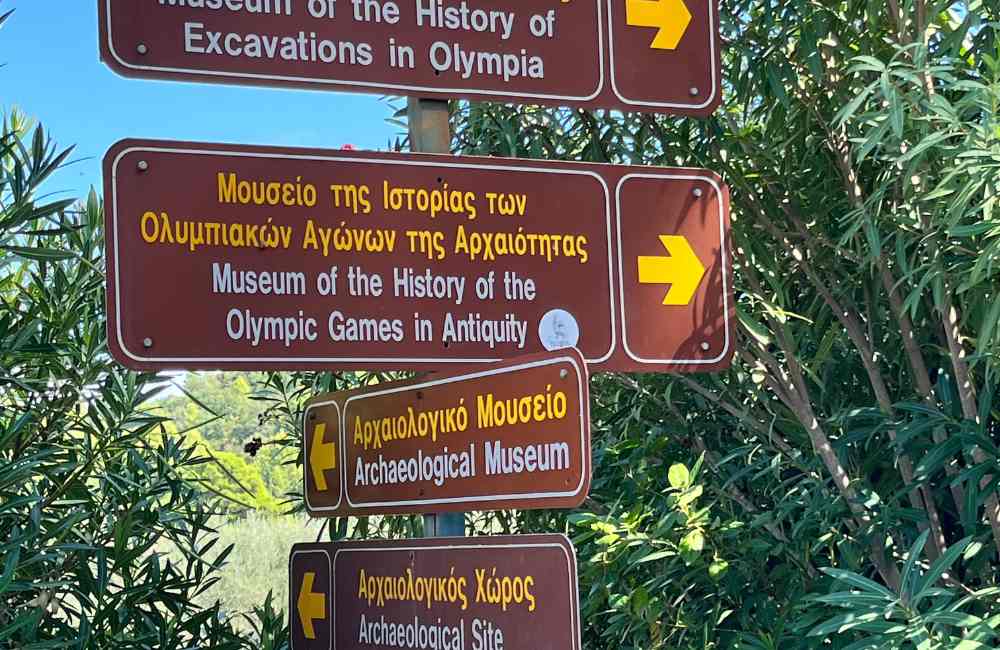
Archaeological Museum of Olympia (Do Not Skip This)
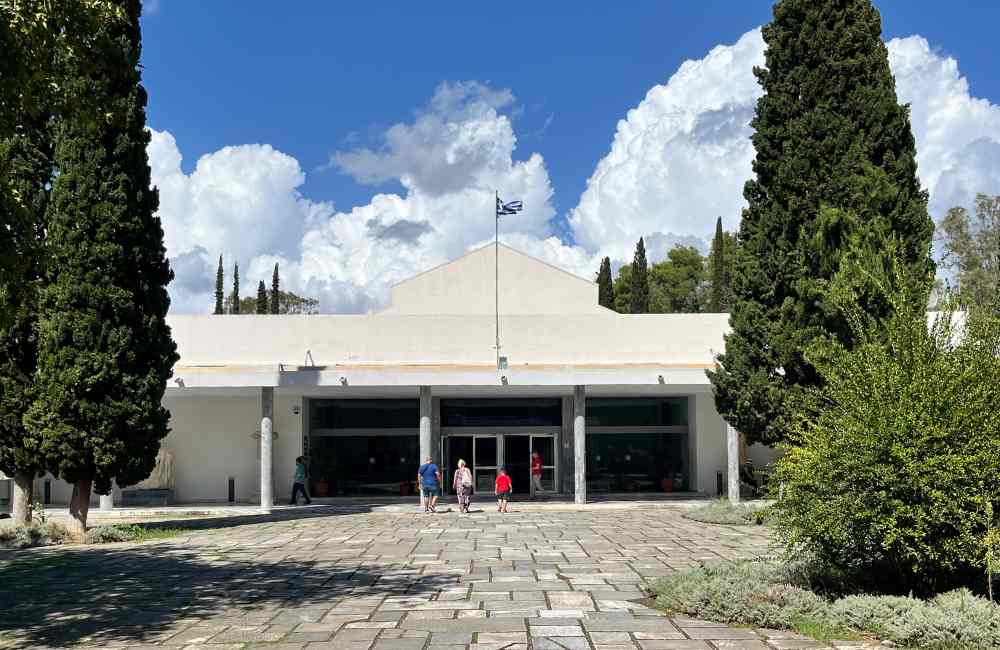
The Archaeological Museum of Olympia is one of Greece’s most important museums, offering a deeper look at the artistic and religious life of the sanctuary beyond just the Games. Located just a short walk from the archaeological site, it houses an impressive collection of sculptures, reliefs, and artifacts recovered from the temples and surrounding areas.
Highlights include the pediments of the Temple of Zeus, depicting the battle of the Lapiths and centaurs, and statues such as the Hermes of Praxiteles, considered one of the finest surviving works of classical Greek sculpture.
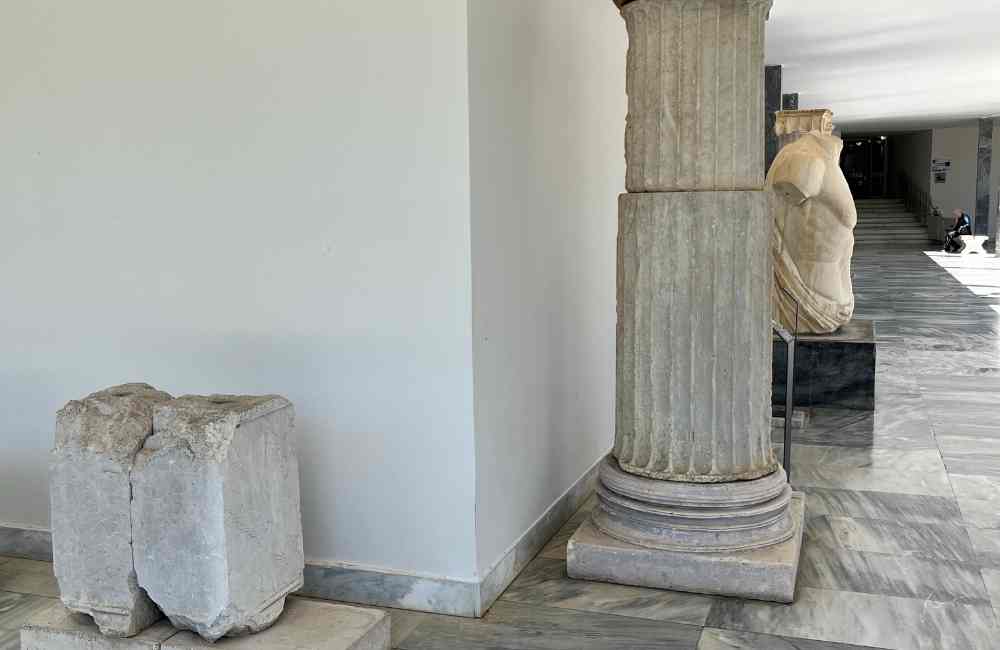
You’ll also find votive offerings, inscriptions, and smaller artifacts that reveal the daily and ceremonial life of athletes, priests, and visitors in ancient Olympia.
The museum completes the story of the site and is essential for understanding what you’ve seen. I suggest visiting after a walk through the ruins in the archaeological site — it brings the ruins to life and adds crucial context.
Museum of the History of the Olympic Games
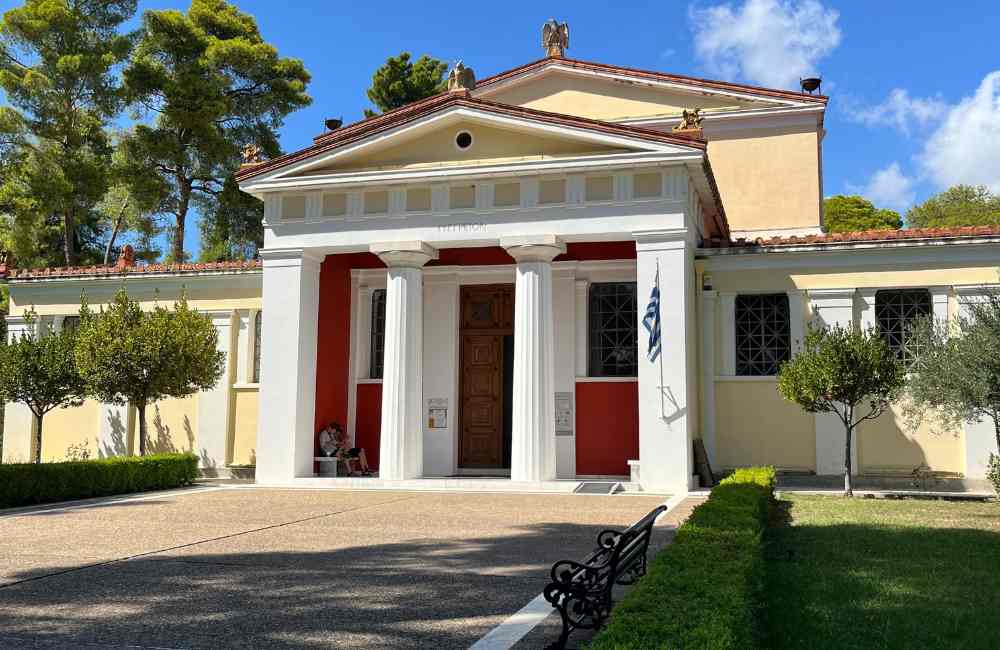
Housed in the old archaeological museum at Ancient Olympia, the Museum of the History of the Olympic Games is a must-visit for anyone wanting to understand the full story behind the original Olympics.
The museum displays ancient athletic equipment, inscriptions, and prizes that reveal how the Games were organized and celebrated. You’ll also find exhibits on ancient rules, training practices, and the cultural significance of the competitions — a perfect complement to exploring the ruins themselves.
Visiting the museum helps bring the site to life, showing how sport, religion, and civic pride were intertwined in ancient Greek society.
Modern Olympia
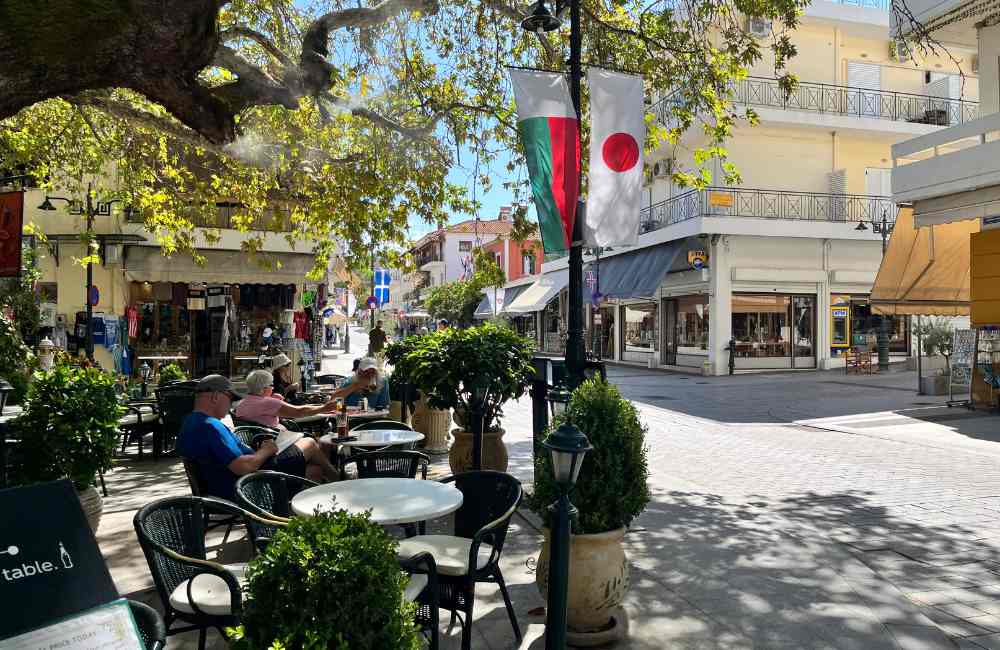
Stroll through the charming modern village — relaxed cafes, local shops, and tavernas provide the perfect complement after exploring the ancient remains.
The easy-going town is perfect for some shopping (try the local honey and olive oil) and a stress-free time before heading back to the port.
For younger visitors, the Museum of Archimedes nearby is a fun stop, where kids can see, touch, and experiment with the inventions and discoveries of the legendary Greek scientist.
Practical information
Tickets: Combined ticket for site + museum are available, they are often more convenient. Keep in mind that since 2025, entrance tickets to all Greek archaeological sites have gone up significantly. → Read more here.
→ Museums official website
Footwear: As in most archaeological sites, paths are uneven paths and you will probably do a lot of walking, comfortable shoes are essential.
Shade: There are several ancient trees but shade is limited to a few parts on the site; hats and water are recommended, especially in summer.
Accessibility: The main paths are manageable, but some areas are uneven or grassy.
How to get there
Your choice of route will depend on where you’re coming from and how much time you have. Olympia is well-connected but still feels wonderfully off the beaten path.
From Katakolon by private yacht (my experience) or cruise ship
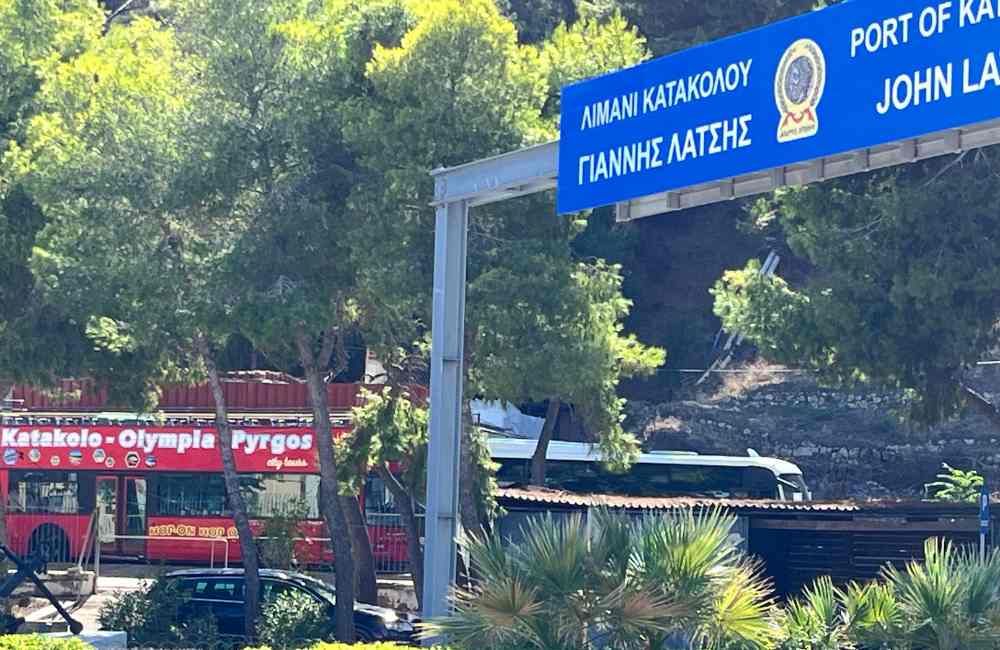
I visited Ancient Olympia after sailing into Katakolon on a private yacht — a truly unique Mediterranean experience. From the small port, the ride to Olympia is about 30–40 minutes by car or taxi. It’s easy to arrange a private taxi or shore excursion — many operators cater to independent travelers and cruise visitors alike — but going by car or private transfer gives you the most flexibility and comfort.
Taxi or Shuttle from Katakolon
If you’re arriving by sea or staying near the port town
Taxi to Olympia: ~30–40 min, negotiable fares (often ~€90 round-trip).
Shuttle services: Pre-booked options are available, especially for cruise passengers.
- Private transfer: roundtrip transfer to Ancient Olympia from the port. ➜ BOOK HERE
By car
If you’re road-tripping around Greece, Olympia is about:
4–4.5 hours from Athens via highway A8 and national roads.
2 hours from Patras on well-maintained motorways.
Renting a car gives you the freedom to explore neighboring sites, villages, and natural attractions at your own pace.
By bus / train
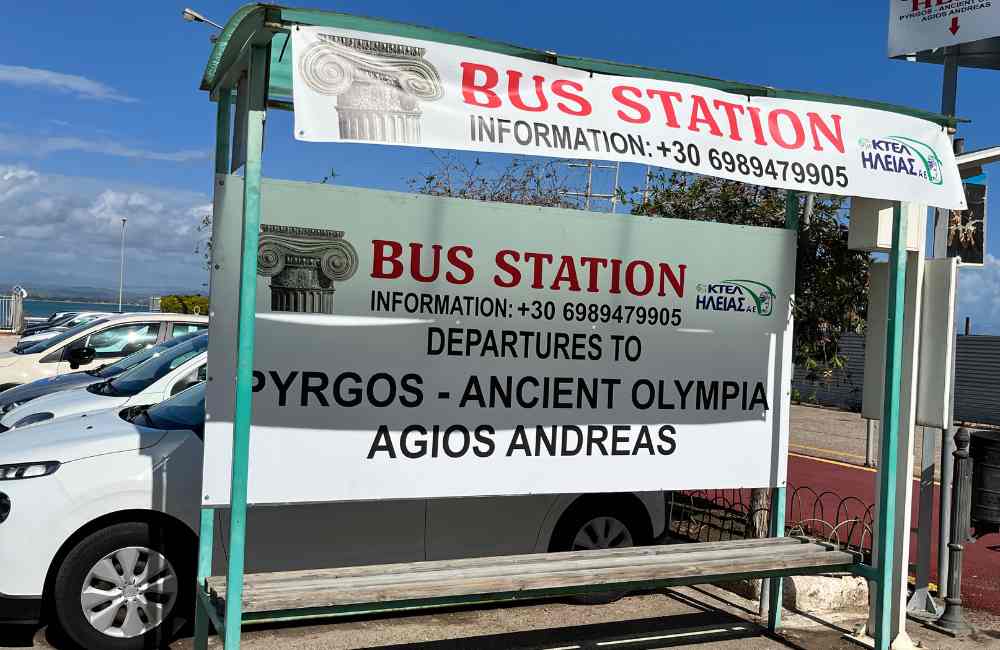
Public buses (KTEL) run from major hubs like Athens and Pyrgos to Olympia. The route from Athens includes a transfer, and the total travel time can be around 5–6 hours.
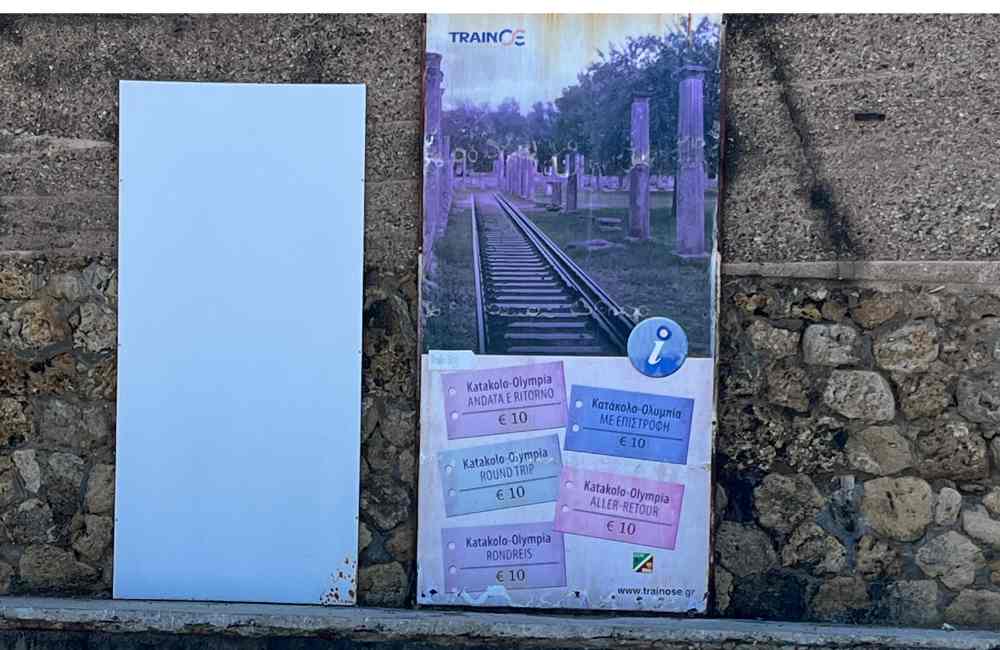
A train runs from the port of Katakolo to Olympia (about 45 minutes) it’s and affordable and popular route, both amongst visitors from cruise ships. It’s a regular service and you can check the schedule here.
When to visit
Best time: Spring (May) and autumn offer mild weather and fewer crowds.
Summer: Can get hot; mornings and late afternoons are most pleasant for exploring.
Hours: Opening times vary seasonally — typically early morning until late afternoon or early evening.
Where to stay (Recommendations nearby)
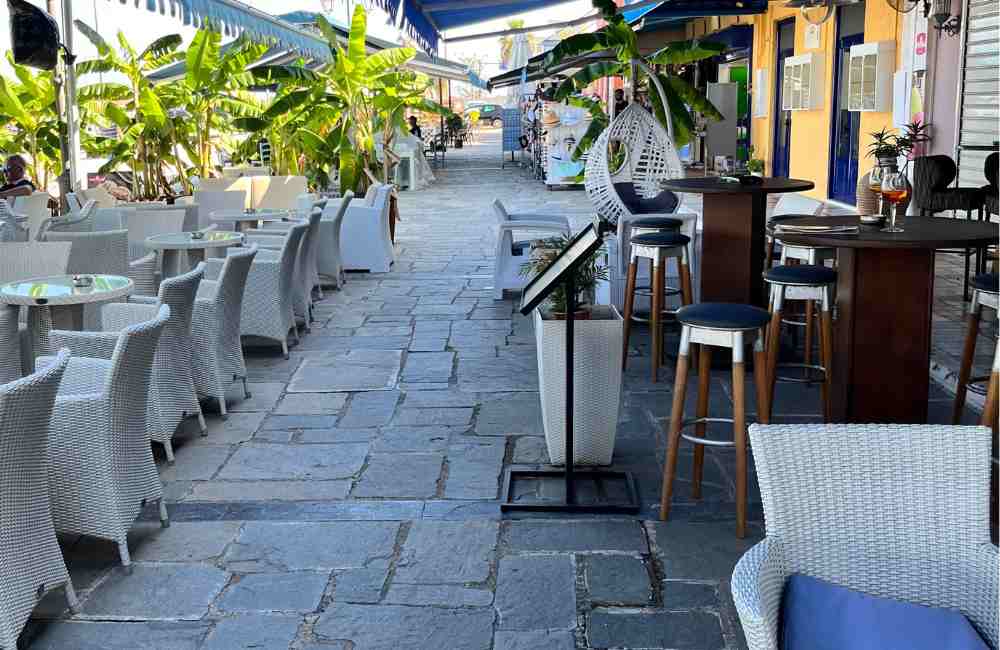
While many visitors treat Olympia as a day trip, staying overnight lets you explore with less rush and enjoy local hospitality.
In Olympia town:
Boutique hotels and guesthouses near the archaeological site make it easy to walk between sights and meals. Cozy cafes and traditional tavernas offer excellent Greek fare.
My top pick in Olympia town:
- Mellia: private apartments, self check-in. ➜ BOOK HERE
Peloponnese countryside:
If you prefer scenic country stays, you can find agritourism properties near Olympia offer olive oil tastings, vineyard visits, and a truly local experience — perfect if you want to taste Peloponnesian culture beyond the ruins. → Search for accommodation in the area.
Tips for first-time visitors
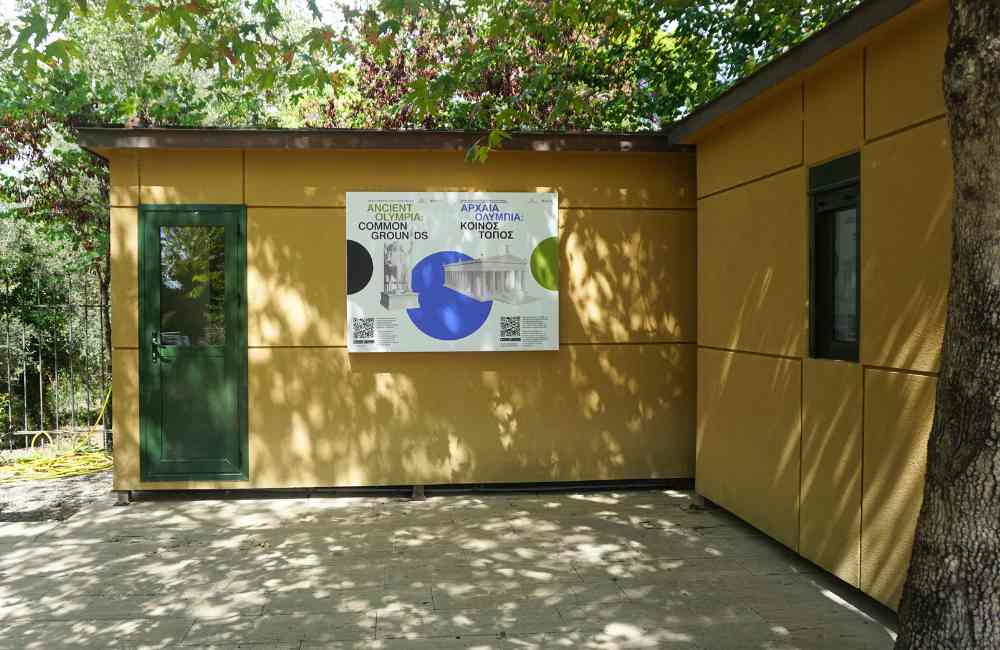
Arrive early or later in the day to avoid peak heat and crowds — especially if coming from a cruise port.
Comfortable shoes and sun protection are essential — much of the site is open with limited shade.
Allow 3–4 hours if you want to explore both the site and the museum without rushing.
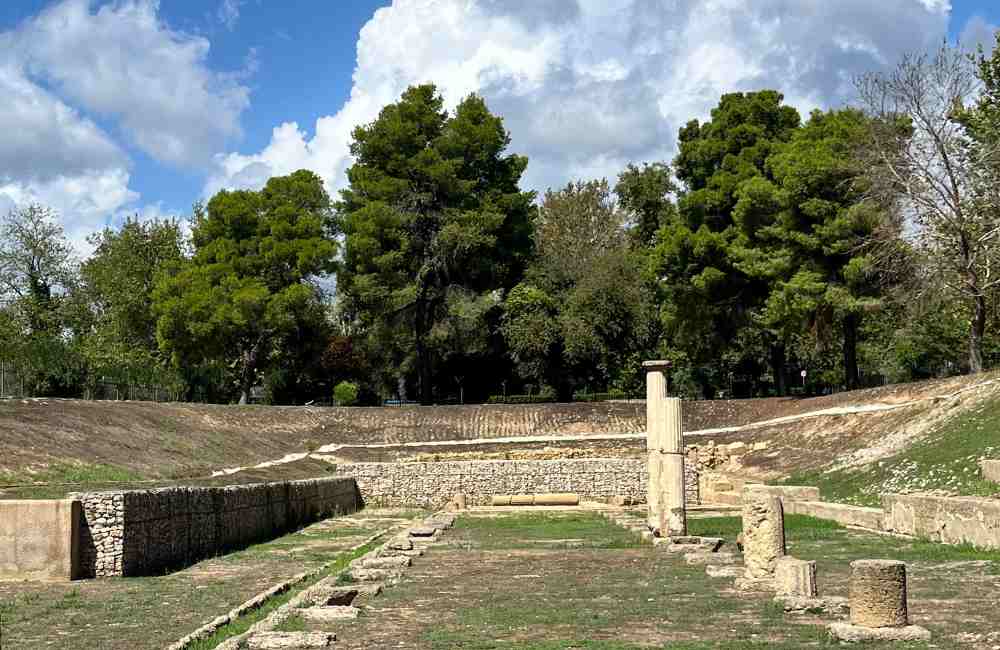
You could be stepping off a private yacht in Katakolon, driving the scenic roads of the Peloponnese, or making a pilgrimage from Athens. It doesn’t matter; Ancient Olympia offers a profound and unforgettable experience.
The echoes of ancient cheers still resonate in the stadium’s stones, and the peaceful valley setting makes it a reflective and engaging stop on any Greece or Mediterranean itinerary.
Pin for Later!
How to Visit Ancient Olympia

Gabi Ancarola
I have been living in Chania, Crete, since 2016. This has given me an intimate knowledge of Greece. In Crete, I’m a travel writer and also host culinary experiences. I co-authored DK Eyewitness Top 10 Crete. I write about Crete at Crete Insider and about Greek food at My Cretan Recipe.


