All About Neokastro: The New Navarino Fortress of Pylos
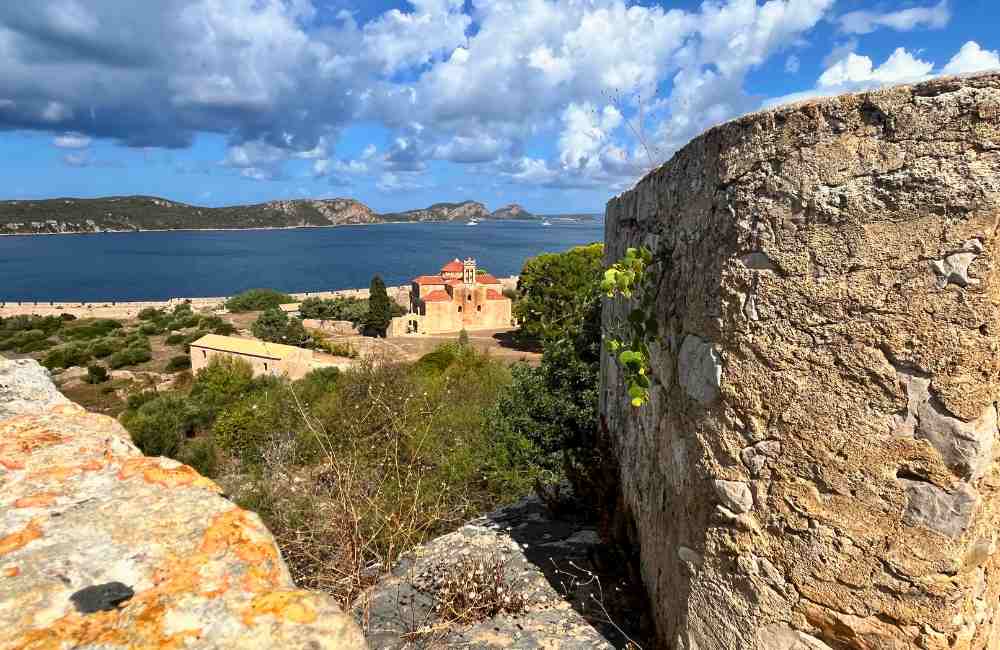
Perched above the southern entrance of Navarino Bay in Pylos, the Neokastro (Niokastro) — also known as the New Navarino Fortress — is one of Greece’s most impressive and well‑preserved citadels. A testament to Ottoman defensive design influenced by gunpowder warfare, Neokastro offers panoramic views, history, and intriguing museums — making it a must‑visit stop for history and architecture lovers alike.
This post has affiliate links. If you make a purchase, I might make a small commission at no extra cost to you.
Born out of gunpowder and Empire, Neokastro was constructed in 1573 by the Ottoman Turks at a pivotal period when gunpowder weaponry was reshaping military architecture. Its name — “new castle” — distinguishes it from the older Paleokastro (Old Navarino Castle) at the opposite end of the bay.

The fortress was strategically located on a hill at the southern entrance of Navarino Bay, a deep natural harbour on Greece’s southwestern Peloponnese. This position made it ideal for defending both the harbour and inland approaches from sea‑borne invaders.
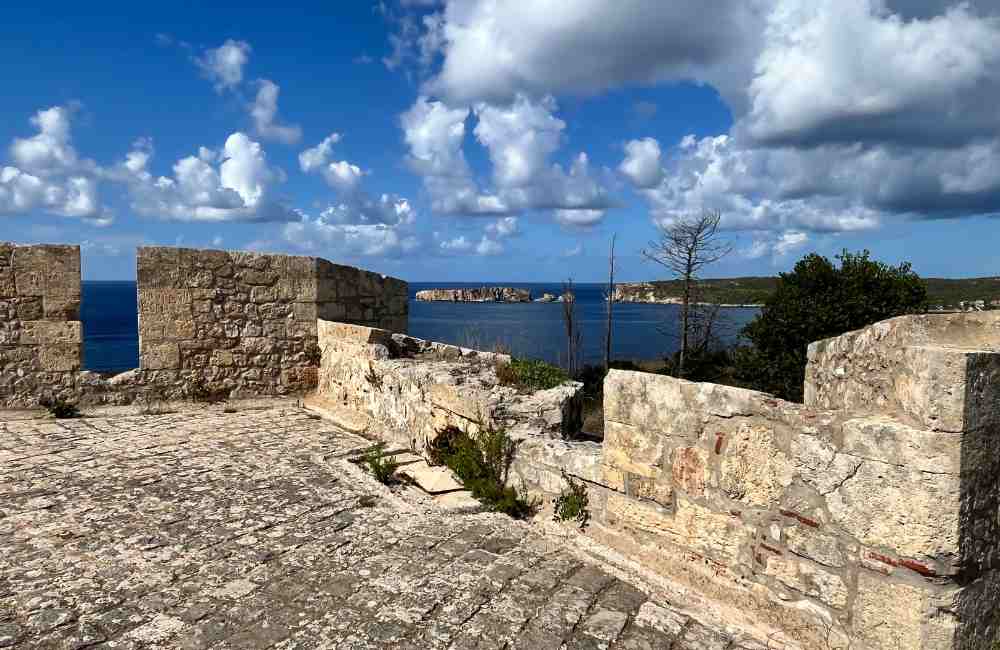
Unlike medieval castles built mostly against raids, Neokastro was designed for gunpowder warfare, with thick, sloped walls and reinforced bastions capable of withstanding cannon fire and delivering artillery defense of its own. Here is my guide to planning a visit to the site.
The fortress through the ages

Neokastro invites visitors to wander through layers of history: an impressive church, small museums, atmospheric courtyards, sturdy ramparts, and panoramic views over the bay that once made it so fiercely contested.
Not exactly “new” at 450 years old, Niokastro earned its name simply to distinguish it from the older Palaiokastro nearby—yet its long, eventful life makes it one of the most fascinating castles in the region.

Over its long history, Neokastro changed hands and roles multiple times:
- Ottoman Era (1573–1686)
Built by Ottoman naval engineers following their defeat at the Battle of Lepanto (Nafpaktos – 1571), the fortress was designed to replace older defenses and secure Ottoman control of the region.
- Venetian Rule (1686–1715)
The Republic of Venice captured the fortress and maintained and reinforced it during its control of the region, incorporating it into the defensive network of the Peloponnese.
- Return to Ottoman hands (1715–1821)
Ottoman control was restored, and the fortress remained a key defensive site until the Greek War of Independence.

- Greek Revolution and aftermath
During the Revolution (1821–1828) and the decisive Battle of Navarino in 1827, Neokastro saw pivotal moments in the Greek struggle for independence. Following these events, French forces under General Maison repaired and reinforced the walls.

- Prison and WWII usage
In the second half of the 19th century up to the mid‑20th century, the fortress was used as a prison, and during World War II it served as headquarters for Italian and German forces.
What to see at Neokastro
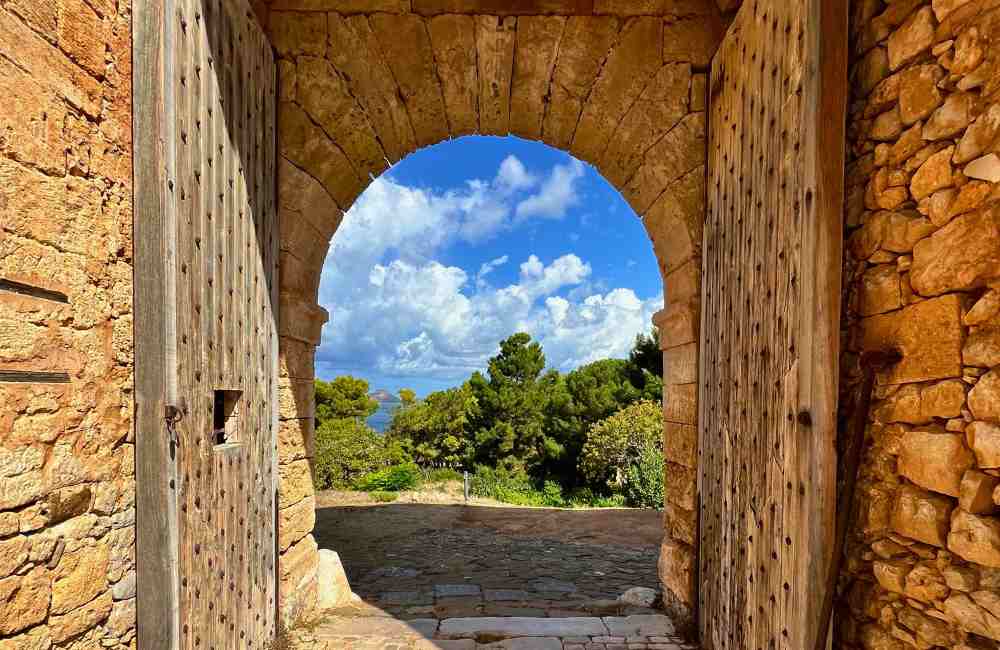
Today, visitors can explore both the fortress’s formidable walls and its interior, which houses several interesting sites:
Fortress walls & bastions
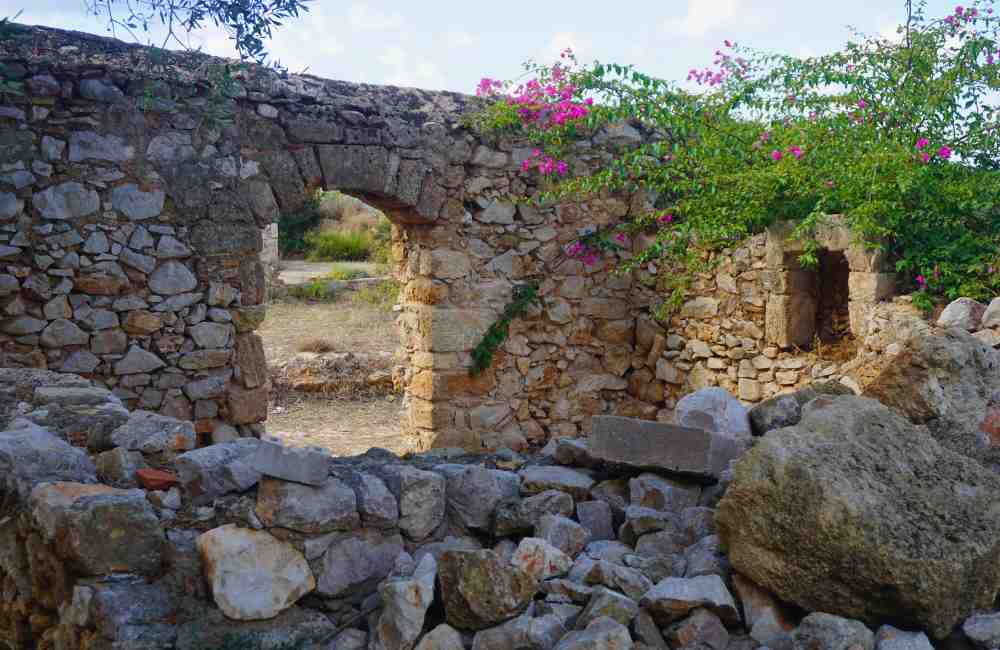
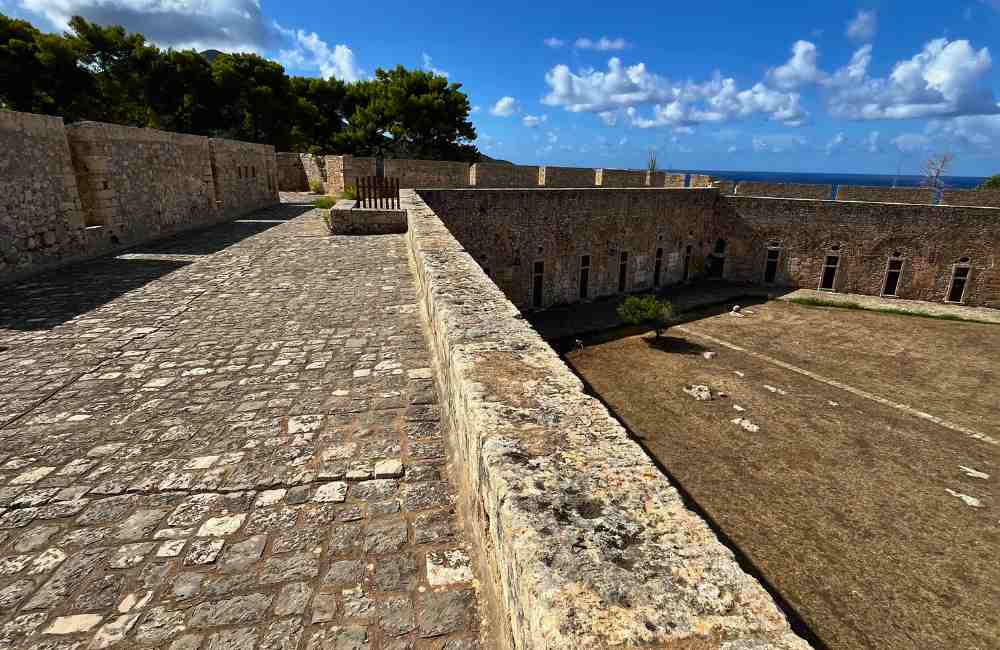
Neokastro’s fortifications cover a vast area of roughly 70,000 square metres and were engineered with thick, angled walls designed for artillery defense — a hallmark of post‑gunpowder military architecture. Two primary sea‑facing bastions, Bastion Seven and Santa Maria, once commanded the harbour entrance.

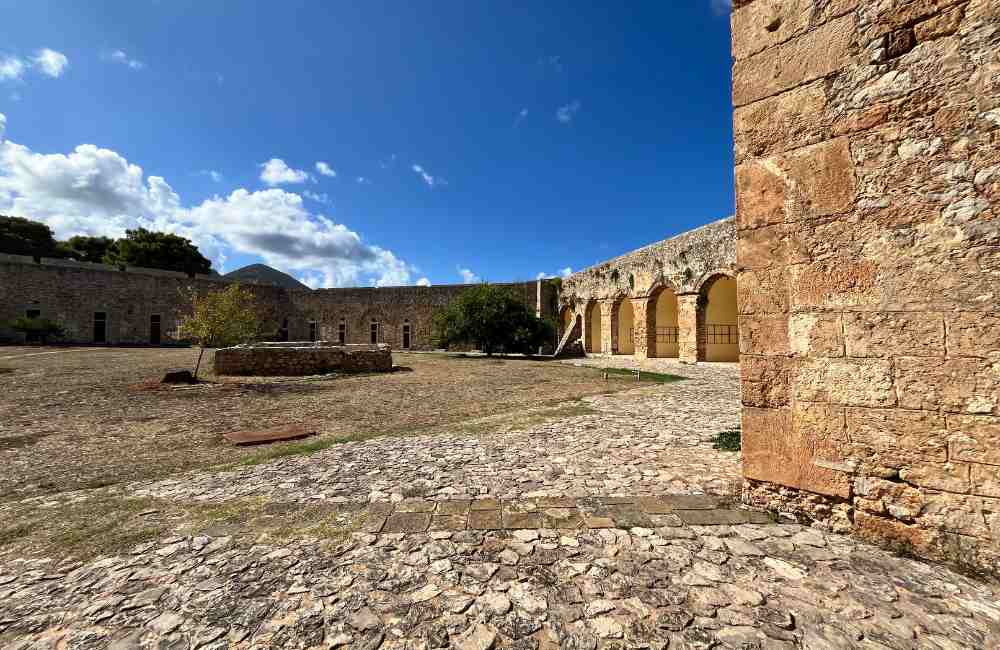
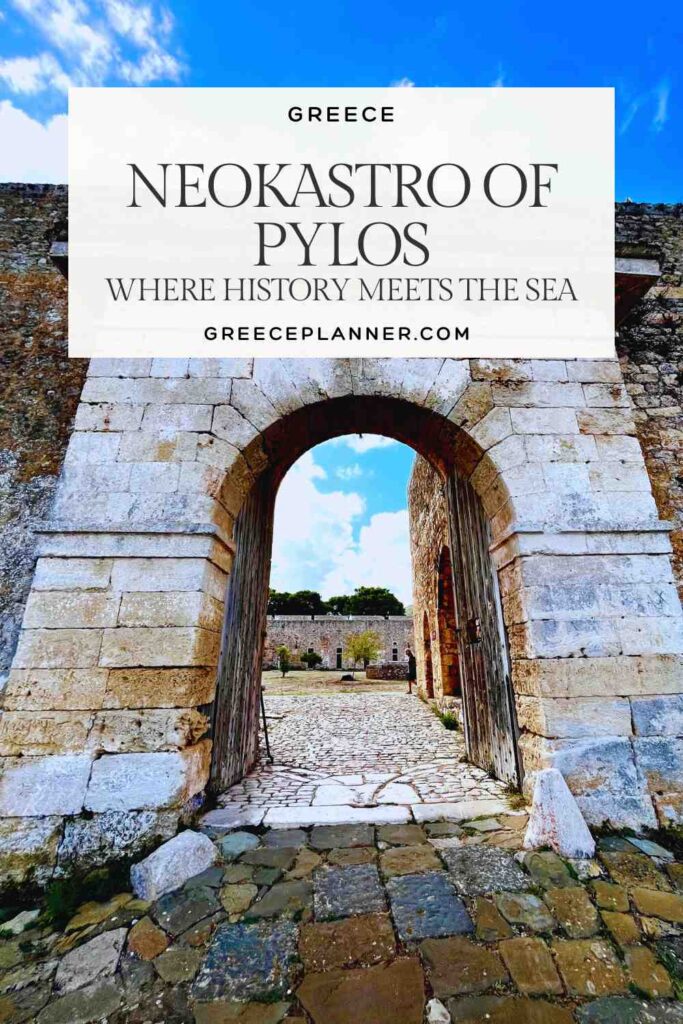
The fortress was divided into a fortified settlement area and a hexagonal citadel, which was itself protected by an outer dry moat and six pentagonal bastions. The main entrance, known as the “Zematistra” gate, stands as a striking example of the defensive planning that went into the site.
Maison barracks & archaeological exhibits
Next to the main entrance is the Maison Barracks, built under French occupation after 1828. This two‑storey stone building now houses the Archaeological Museum and Underwater Archaeology Centre for Pylos, showcasing artefacts from local shipwrecks, maritime history, and archaeological discoveries throughout the region.


These exhibits span from Paleolithic and Mycenaean artefacts to later historical periods, offering visitors an immersive dive into the cultural tapestry of Messinia.
Church of the Metamorphosis
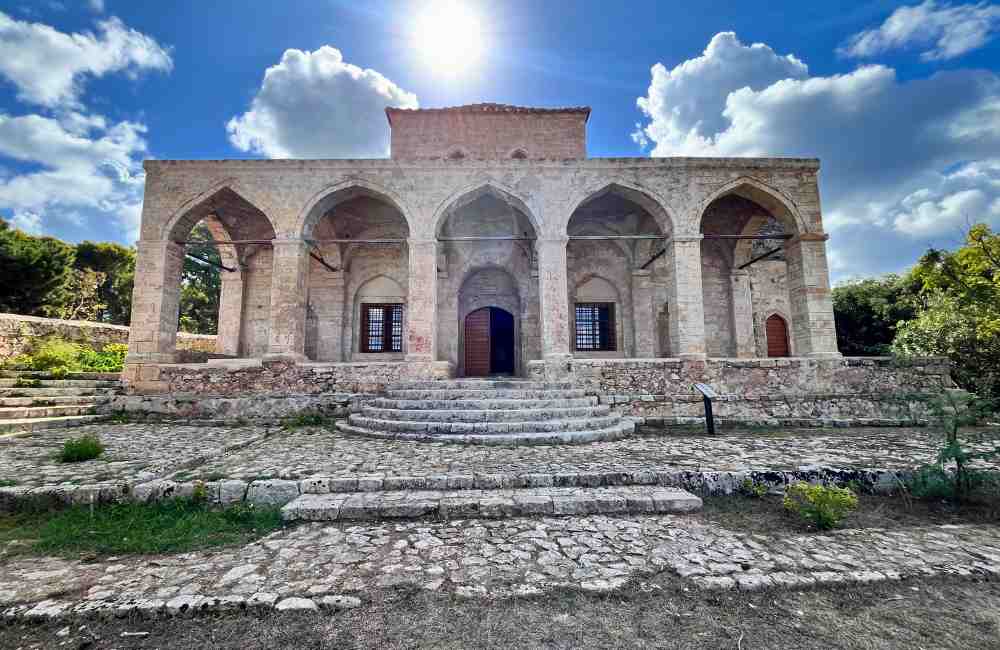
Inside the fortress walls is the Church of the Metamorphosis of Christ (also known as the Transfiguration of the Saviour Church),originally built as an Ottoman mosque during the reign of Sultan Murad III; it was later converted into a Catholic church under Venetian rule (1686–1715).
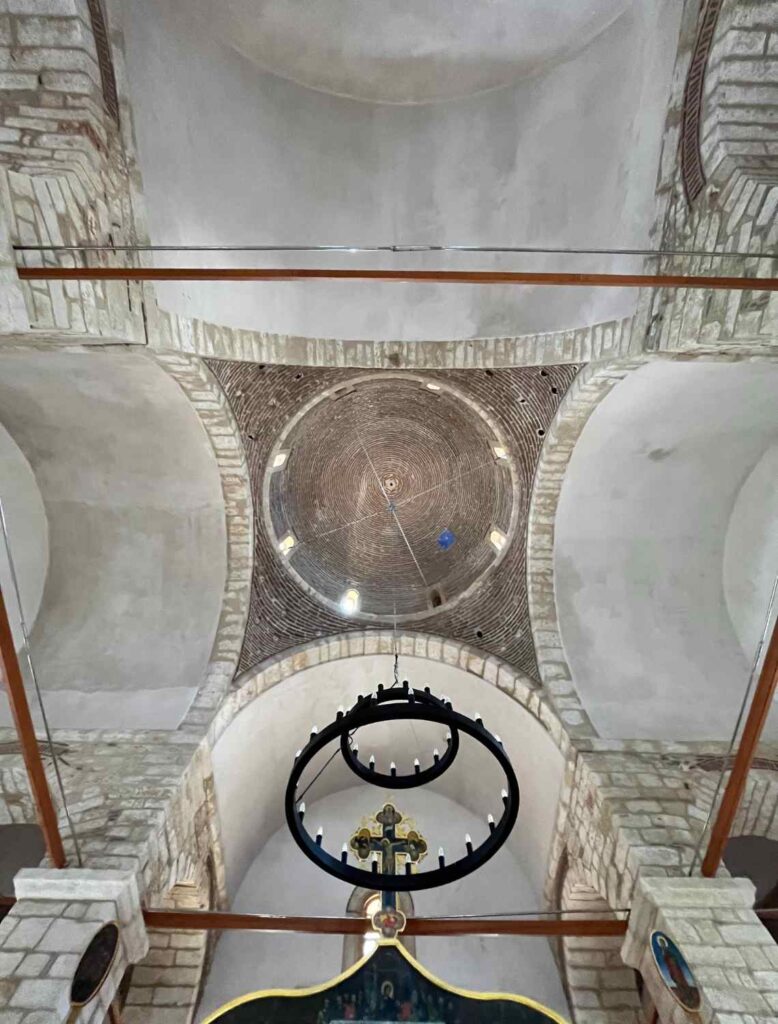
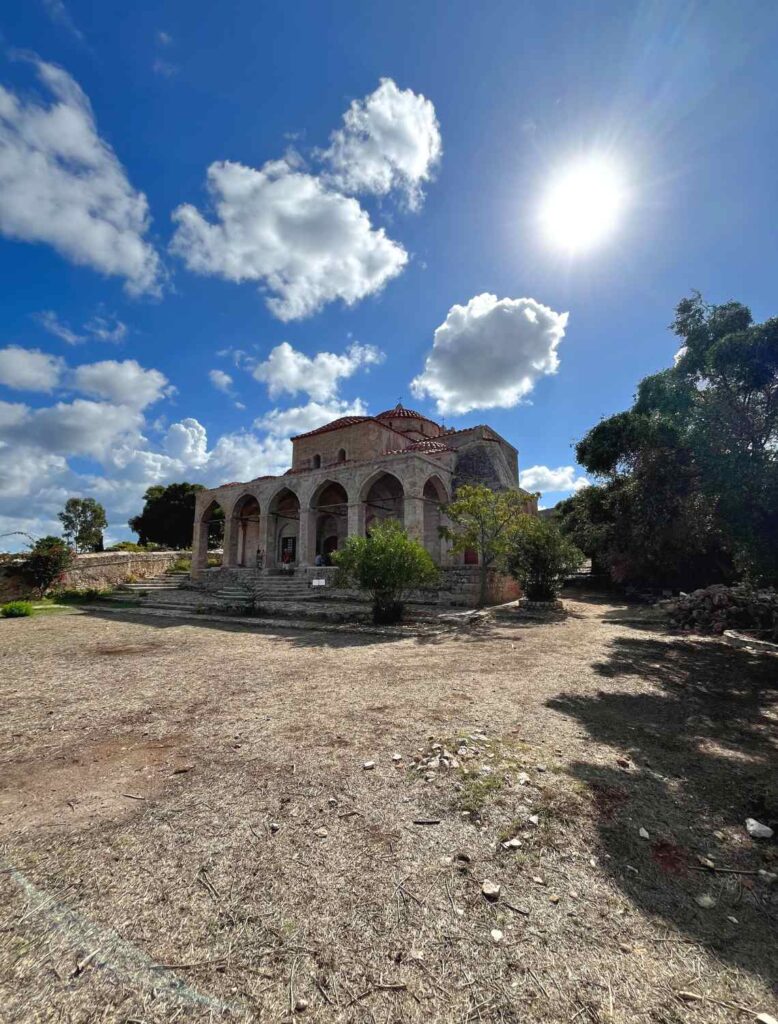
With the establishment of the modern Greek state, it finally became a Greek Orthodox church.
Architecturally, it stands out for its octagonal dome, supported by four massive pillars, and its enclosed setting on three sides.

Restoration works have revealed its original form and successive phases, bringing back key elements such as the porch, the minaret, and the bell tower.
Why I chose to visit

I first visited Neokastro on a one-day stop during a yachting trip, with Pylos unfolding quietly around the bay. I hadn’t planned a deep dive into history that day—but standing inside the fortress, looking out over the same waters sailors and soldiers once guarded, something clicked.
→ You might also want to read: How to Get to Pylos from Athens
Living in Greece has made me want to go beyond the beaches and postcard views and really understand the country’s layered, often turbulent past, and Neokastro felt like a perfect place to do so.

The fortress isn’t impressive only because of its scale or how well it has been preserved. What stayed with me was how clearly it tells a story: of changing empires, of the rise of gunpowder warfare, and of how strategic this bay once was for controlling Mediterranean sea routes.
Together with the Old Navarino Castle, it feels like two silent sentinels, watching over centuries of conflict, trade, and transition.
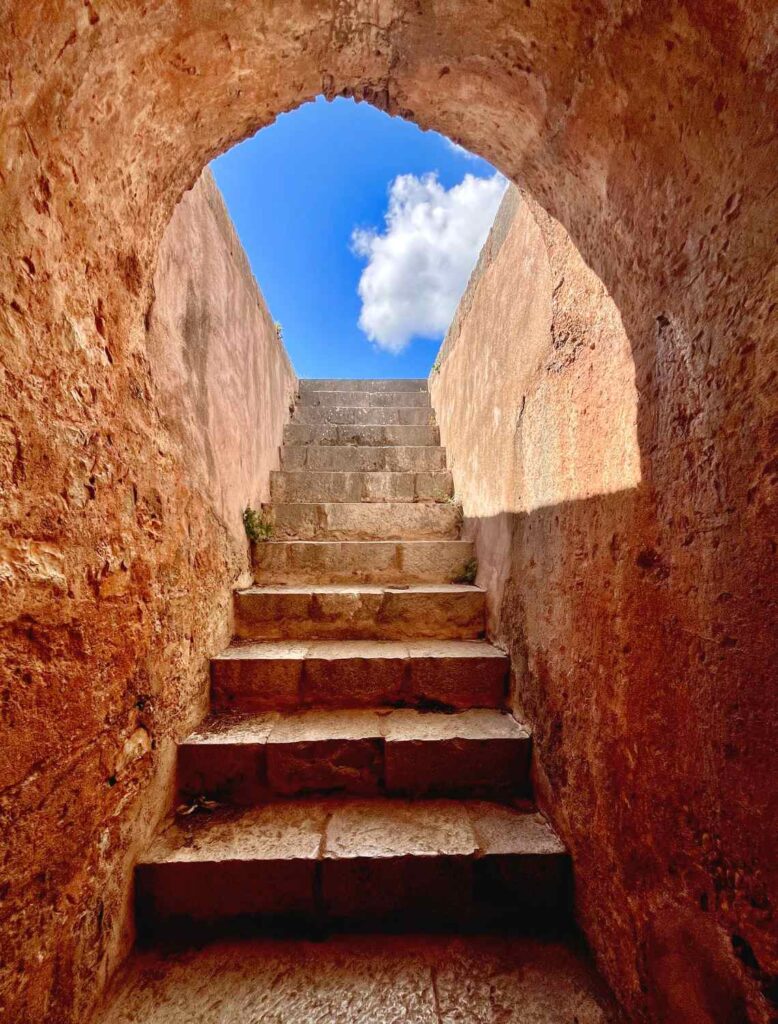
Knowing that Neokastro also played a role in the Greek War of Independence added an emotional weight to the visit. It’s one thing to read about these moments in history; it’s another to walk through the courtyards and ramparts where they unfolded.
For me, this stop wasn’t just a sightseeing break—it was a reminder of why exploring Greece’s historical sites matters so much, especially when you call this country home.
Visitor information


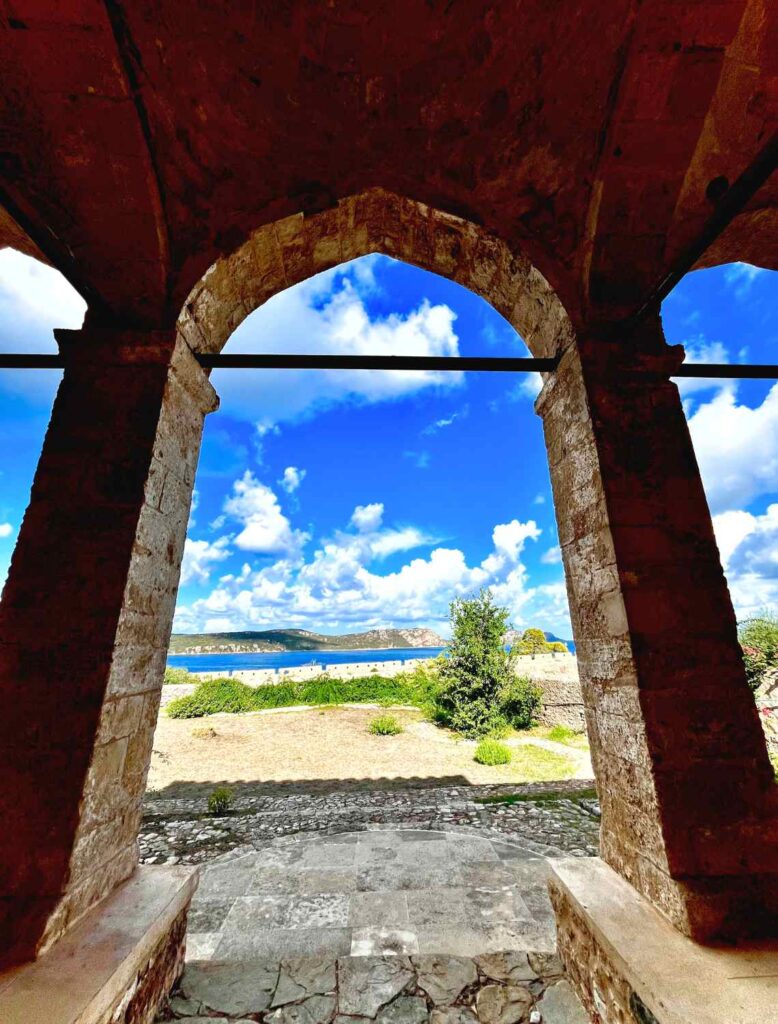
Neokastro is easily accessible from the main square in the town of Pylos, offering shaded areas, walking paths along the walls, and panoramic views of Navarino Bay and the nearby island of Sphakteria.
Inside the fortress, you can spend time exploring the museum exhibits — particularly the underwater archaeology displays, which shed light on ancient maritime life and the naval battles that shaped the region.
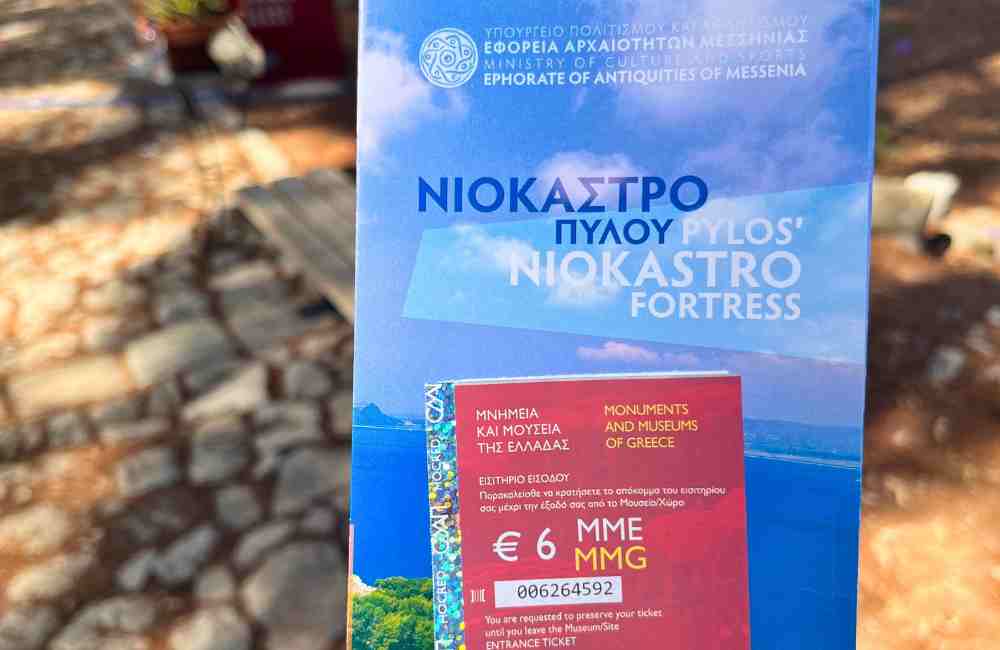
Opening times and admission can vary seasonally, and information from local authorities is recommended before visiting. As a reminder, the site is accessible and engaging for all ages, making it ideal for history buffs and curious travelers alike.
Official schedule:
- Summer: 08:00–20:00
- Winter: 08:30–15:30
- Closed on Tuesdays
- Accessibility: The site is accessible to visitors with disabilities
- Telephone: +30 27230 22955
Tip: Summer evenings are especially lovely, with softer light over Navarino Bay.
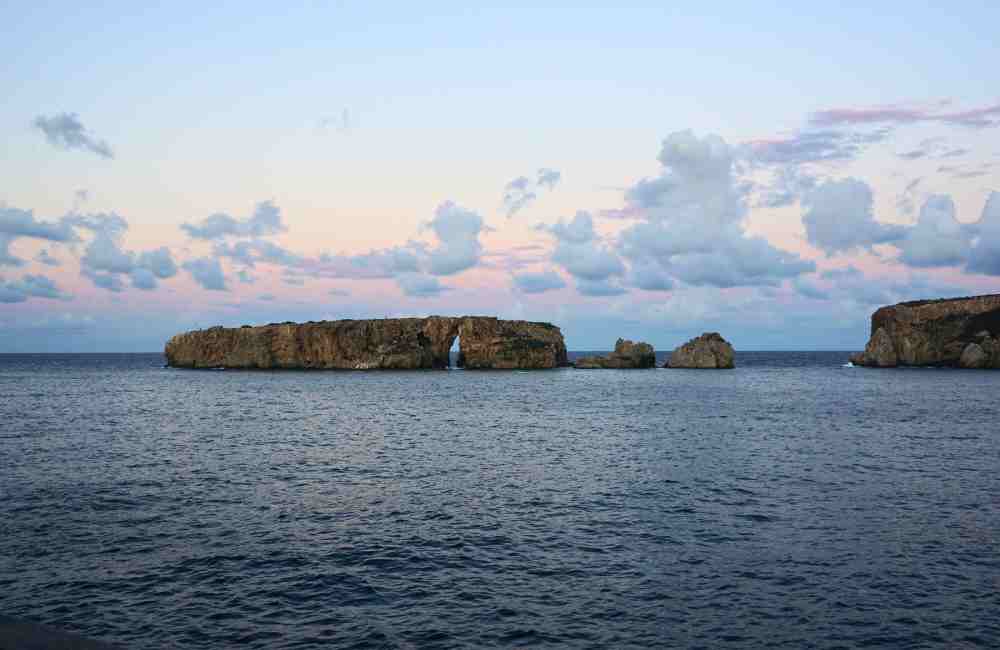
Neokastro is a living chronicle of Mediterranean history: Ottoman defensive brilliance, Venetian resilience, Greek revolution, modern preservation.
Pin for Later!
Neokastro: The New Navarino Fortress of Pylos


Gabi Ancarola
I have been living in Chania, Crete, since 2016. This has given me an intimate knowledge of Greece. In Crete, I’m a travel writer and also host culinary experiences. I co-authored DK Eyewitness Top 10 Crete. I write about Crete at Crete Insider and about Greek food at My Cretan Recipe.