

How to Travel Between Italy and Greece: Ferries, Flights & Expert Tips
Having lived for over two decades in Italy and now calling Greece home, I’ve made the journey between these two countries more times than I can count. Travel between Italy and Greece can be done by plane, ferry, and even by road-and-sea combinations, and each option offers its practical benefits, depending on your travel style, budget, and schedule.
This post has affiliate links. If you make a purchase, I might make a small commission at no extra cost to you.
Italy and Greece share centuries of cultural entanglement, history, and a deep maritime connection. Today, that link continues through a wide network of ferries and flights that make moving between the two countries not only easy but also a fun adventure. In this article, you will find a complete guide on how to travel from Italy to Greece —based on up-to-date travel data and first-hand experience.
Flying from Italy to Greece: Quick, Direct & Frequent

If speed is your priority, flying is hands down the fastest way to get from Italy to Greece. Major Italian cities like Rome, Milan, Naples, and Venice offer daily direct flights to Athens year-round.
Carriers include traditional airlines like Aegean Airlines, Sky Express, ITA Airways (formerly Alitalia), and popular budget operators such as Ryanair, Wizz Air, and easyJet.
During the high season—from late May through September—additional routes open up, connecting Italy with Greek islands directly, bypassing Athens entirely. You can fly non-stop from Italy to:
- Mykonos
- Santorini
- Crete (Heraklion and Chania)
- Rhodes
- Corfu
- Zakynthos (Zante)
These seasonal routes are a blessing for those short on time and travelers who prefer island-hopping by plane.
Still, prices can skyrocket in peak months, so booking ahead is essential. I often recommend combining a flight to Athens with a ferry ride onward to the islands, especially if you’re after a blend of efficiency and experience.

Traveling by Ferry: The Classic Mediterranean Journey
There’s something undeniably romantic about sailing across the Ionian Sea with your destination rising on the horizon. Ferries offer a slower but much more atmospheric way to travel between Italy and Greece. Plus, if you’re bringing a car, camper van, or motorcycle, it’s the most convenient and cost-effective option.
Let’s take a closer look at the main Italian ports offering ferry services to Greece:
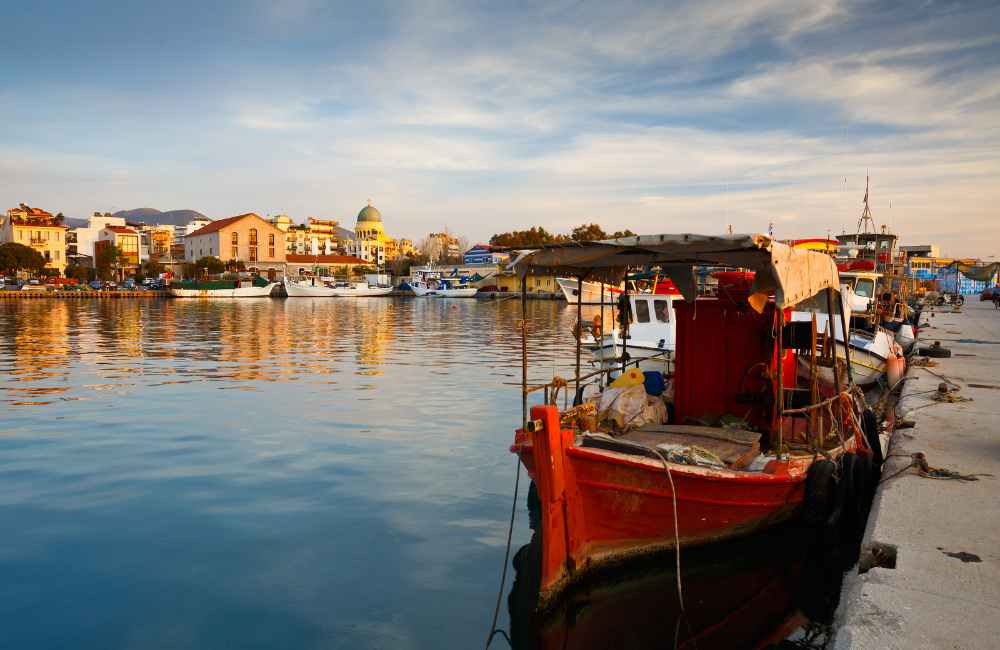
Brindisi – Shortest Route, Best for Budget Travelers
Having departed from Brindisi many times, I can confirm it’s one of the best-kept secrets for sea travel between Italy and Greece. Located in Puglia, this port offers the shortest and most economical ferry routes to western Greece.
- To Igoumenitsa: ~8 hours, daily with Grimaldi Lines and European Seaways
- To Patra: 9–10 hours, several times per week
- To Corfu: ~7–8 hours, seasonal (summer only)
- To Kefalonia & Zante: limited summer service (Ventouris Ferries)
Brindisi is a no-fuss, efficient port ideal for those prioritizing speed and value. It’s also the closest point in Italy to the Greek mainland.
Bari – Reliable & Versatile
Bari is another reliable southern port in Italy, and is a popular alternative if you’re traveling to Greece with a car. The port of Bari is slightly more developed than Brindisi in terms of infrastructure and connects to both the Greek mainland and some Ionian islands.
- To Igoumenitsa: ~9–11 hours, daily
- To Patra: ~16.5 hours
- To Corfu: ~10 hours, daily in summer
- To Kefalonia: ~18 hours, seasonal
Operators for the Bari-Igoumenitsa route include Superfast Ferries and Anek Lines, which operate together, offering reliable year-round service. Ventouris Ferries offers the service during the high summer season, adding extra capacity and a few budget-friendly options for the busiest months.
Bari is especially useful if you’re exploring southern Italy (like Matera or Alberobello) before heading east.
Ferries from Bari generally set sail in the evening hours. This schedule makes them particularly convenient for overnight travelers who want to sleep through the crossing.

Ancona – Central Italy’s Gateway to Greece
Located in the Marche region, Ancona is well-connected by train and offers longer, overnight crossings.
- To Igoumenitsa: 16–20 hours
- To Patra: 21–24 hours
- To Corfu: 15–20 hours, 4 times/week (Minoan Lines)
Despite the long journey, many opt for Ancona for its convenience if traveling from central Italy or Tuscany, which saves you a long car ride to Bari or Brindisi.
Venice – For the Adventurer
Venice, the romantic jewel of northern Italy, offers the longest ferry routes to Greece but also the most scenic.
- To Corfu: ~25 hours, once weekly
- To Igoumenitsa & Patra: ~30–33 hours
While not for the time-pressed, it’s perfect if you want to turn your journey into part of your vacation. While long, this route offers a spectacular way to slowly shift from the elegance of northern Italy to the sun-soaked ease of Greece.
Traveling by Ferry with Kids

If you’re planning a ferry journey between Italy and Greece with little ones in tow, the good news is that most major operators offer generous discounts for children — something I’ve come to appreciate over the years, having made this crossing with my kids countless times while living in both countries.
Here’s how it typically breaks down:
- Infants under 4 years old can travel free of charge — provided they don’t occupy a bed. You’ll still need to issue a ticket for them (at zero cost), but it’s a straightforward process.
- If your under-4 child needs a bed or berth, you’ll receive a 50% discount on their fare.
- Children aged 4 to 12 are also eligible for a 50% discount across all seating categories — whether you’re booking a simple deck spot or a private cabin.
- One important rule to note: children occupying a bed in a cabin must be accompanied by an adult holding a full fare ticket. Cabin bookings are always tied to adults, and minors can’t be booked into one on their own.
These policies hold across most routes served by Superfast Ferries, Anek Lines, and Blue Star Ferries, especially on the popular corridors between Bari, Ancona, and Patra or Igoumenitsa
Planning with kids does add a layer of logistics, but ferries can actually be a far more comfortable alternative to flying — especially when they’re excited to sleep on a boat and you don’t have to wrestle with airline baggage limits or tight seating. If you’re traveling in summer, I’d highly recommend booking a private cabin; it turns a long journey into a restful night.
Choosing Between Plane and Ferry
| Criteria | Flight | Ferry |
|---|---|---|
| Speed | 1–2 hours (to Athens or islands) | 8–33 hours depending on route |
| Cost | Varies; cheap if booked early | Affordable, especially from Brindisi |
| Comfort | Limited unless flying business | Cabins, lounges, and full amenities |
| Vehicle Transport | Not possible | Yes—cars, bikes, campers allowed |
| Experience | Functional | Scenic, slow travel, cultural immersion |
In my opinion, flights are great if you’re hopping to an island quickly, while ferries offer a more enriching and versatile experience—especially if you’re exploring both countries by road.
Booking Tips
- Use trusted platforms like Ferryhopper for schedules, pricing, and offers.
- Book early especially for July and August. Cabins and vehicle spots sell out fast.
- Consider overnight routes to save on accommodation and maximize daylight.
- Ask about discounts, many operators offer deals for students, seniors, families, or round-trip passengers.

What to Expect On Board
Modern ferries are more like mini cruise ships. On some routes you can expect:
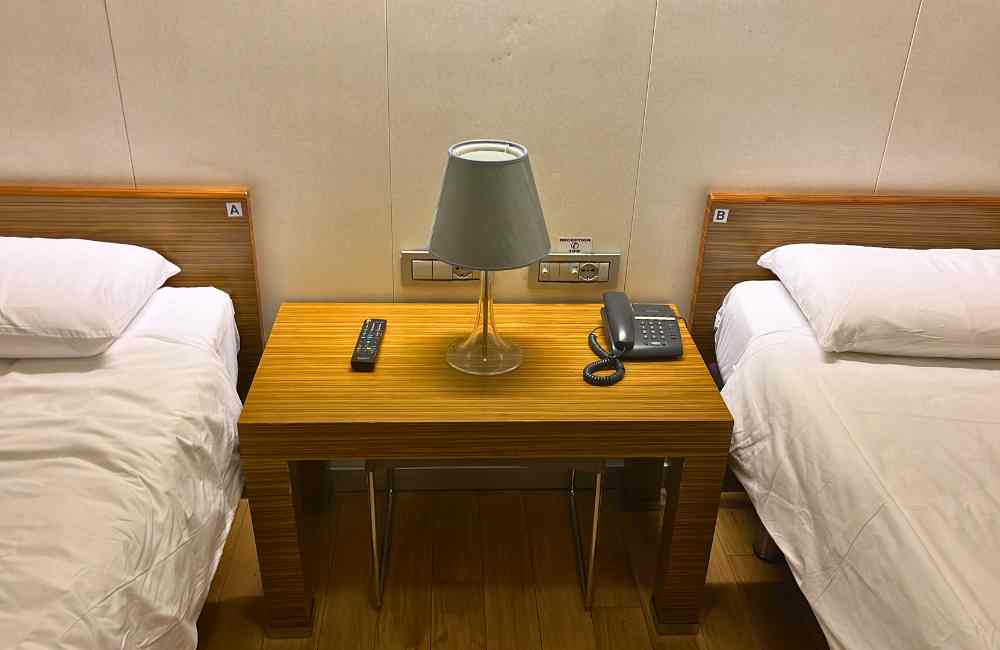
- Private cabins or reserved airline-style seating
- Restaurants, cafes, and bars
- Shops and outdoor decks
- Luggage storage and pet areas
Boarding can begin 3–4 hours before departure, so always arrive early—especially if you’re bringing a vehicle or have no reserved seat.
Having split my life between Italy and Greece, I’ve seen how seamlessly connected these two countries are. Of course flying is undeniably convenient, but ferries offer a deeper, slower experience that’s very much in tune with the Mediterranean spirit. And are a lot more affordable!
If time allows, I always recommend taking the ferry at least once—watching the sunrise over Corfu or approaching Patra after a restful night at sea is unforgettable. It’s not just a way to get from point A to B—it’s part of the journey!
Pin for Later!
How to Travel between Italy and Greece


Gabi Ancarola
I have been living in Chania, Crete, since 2016. This has given me an intimate knowledge of Greece. In Crete, I’m a travel writer and also host culinary experiences. I co-authored DK Eyewitness Top 10 Crete. I write about Crete at Crete Insider and about Greek food at My Cretan Recipe.


You May Also Like
