Things to Do in Aegina, Greece That You’ll Love!
Aegina island, close to Athens, is a unique place for a quick escape or a romantic trip. Check here all the things to do in Aegina.
This post has affiliate links. If you make a purchase, I might make a small commission at no extra cost to you.
Aegina can be a great day trip to Athens (just a short ferry ride away) but also a fantastic to spend a longer time. The island is also a great destination for remote workers and digital nomads.
When it comes to regular tourists, Aegina offers an authentic Greek-island experience. While people flock to Santorini and Mykonos, over here you will feel free from the tourist resort vibe and enjoy a slower pace of life and a quiet atmosphere even in summer.
Best Things To Do in Aegina, Greece

You will certainly arrive to Aegina with a ferry that will dock on the main town, also called Aegina, but it’s good to know that there are many other towns and villages on the island.
Although most people stays in Aegina town and never explore the rest of the island, take a few days to discover the islands. There is plenty to do in Aegina beyond the most popular areas.
Rent a Scooter and Ride Around

If you’re planning to explore beyond Aegina Town, renting a vehicle is essential. While there are several car rental options available on the island—including jeeps—many visitors find that a scooter is more than enough to get around, given Aegina’s compact size.
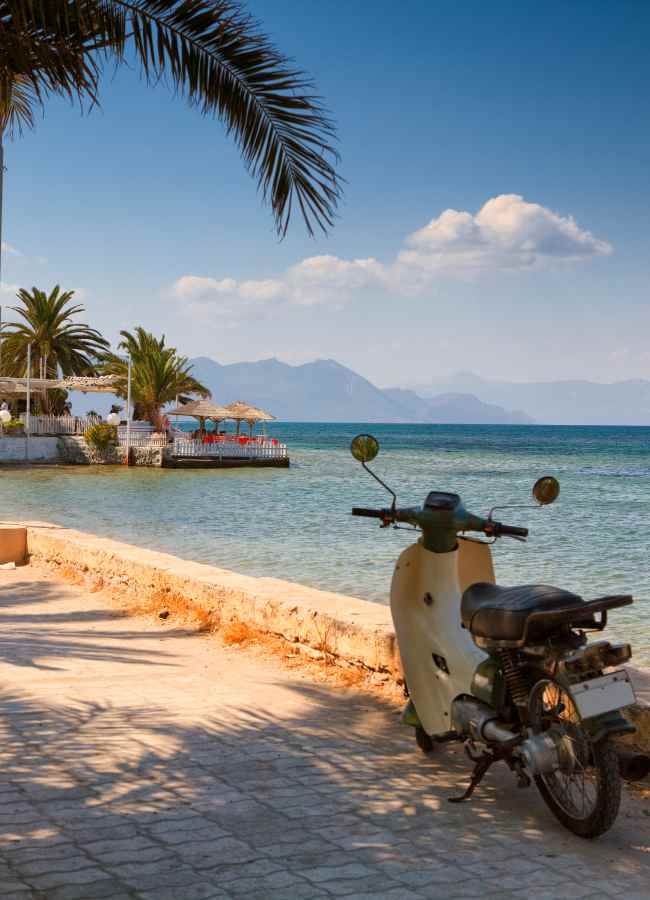
Scooter rentals are conveniently located just across the street from the ferry pier. Look for the overhead signs directing you to the rental office to complete the rental process.
Scooters are affordable and a fantastic way to see the island. For a modest cost, it’s arguably one of the best investments you can make during your stay.
Aegina Town

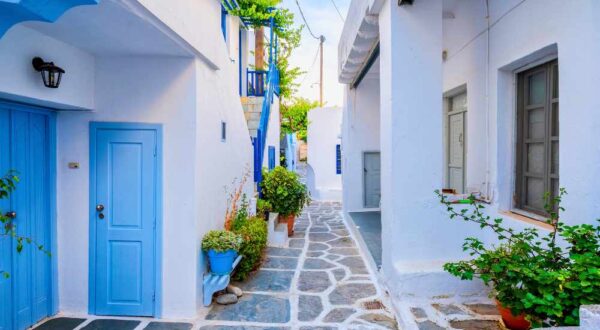
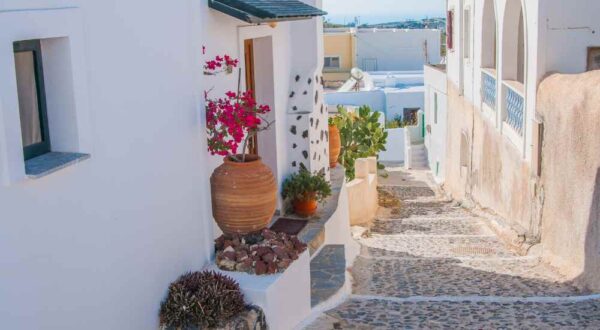
The main town of Aegina is a charming place to explore. It features its traditional Greek architecture and colorful facades along winding, narrow streets. The settlement has aa picturesque atmosphere that perfectly captures the island’s character.
As you wander through town, do splurge in some local souvenirs and keepsakes. Vendors line the streets as well, selling fresh pistachios (Aegina’s pistachios are worldwide famous for their flavor!) and other regional delicacies. Don’t leave without picking up a bag or two—the pistachios a perfect treat to bring home.
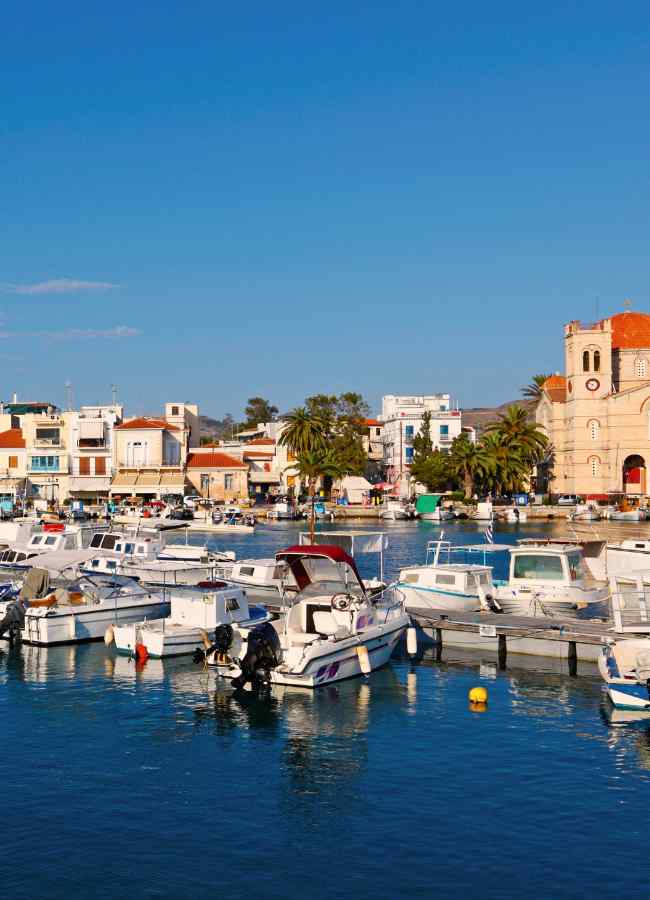
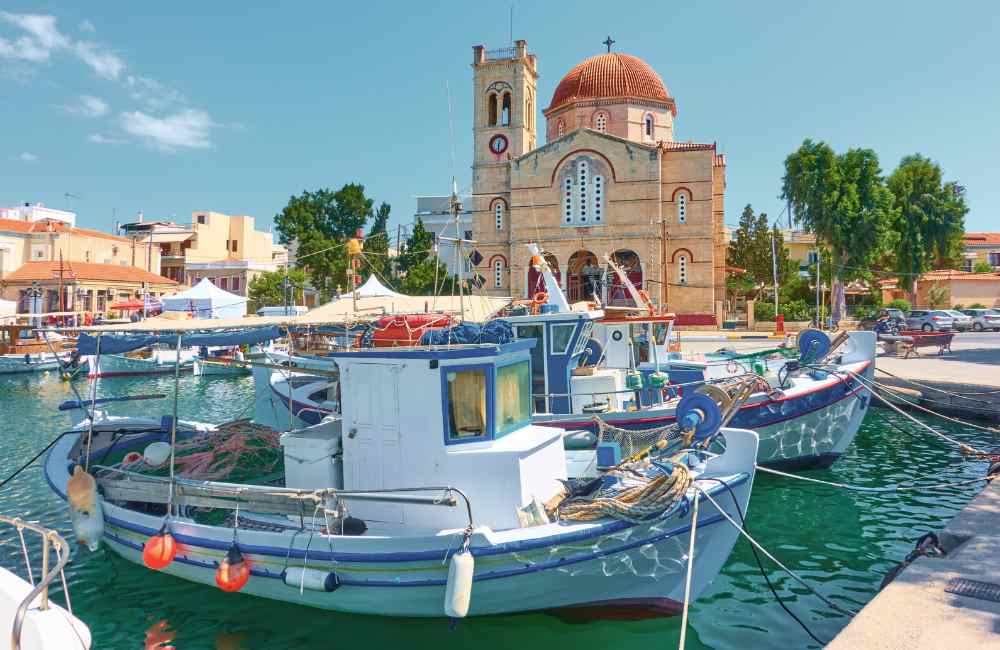
As the sun begins to set, Aegina comes alive with the aroma of delicious Greek cuisine wafting from iseaside tavernas.
In true Mediterranean fashion, you can enjoy your meal outdoors. It’s a peaceful, memorable way to wind down your day—and in my view, few things rival the simple pleasure of ending an evening by the water.
Temple of Aphaia
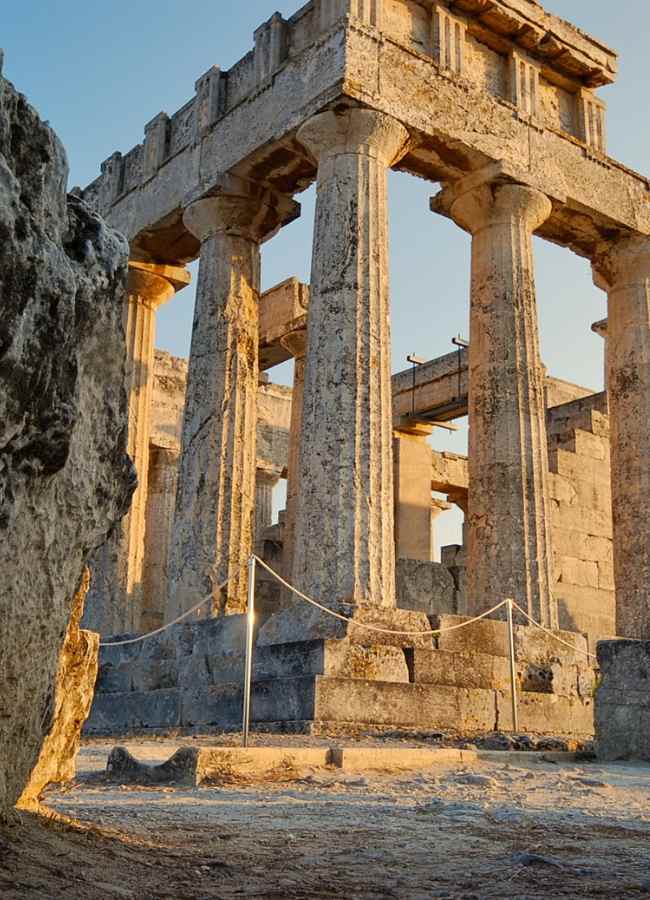
As you follow the northern coastline of Aegina and make your way toward the island’s opposite side, be sure to stop at the magnificent Temple of Aphaia—one of Aegina’s most iconic archaeological landmarks. Set atop a pine-covered hill on the northeastern tip of the island, about 13 kilometers from Aegina Town, this temple is considered one of the best-preserved classical temples in all of Greece.
Built around 500 B.C. and restored in the late 20th century, the temple was dedicated to the goddess Aphaia and forms part of a sacred triangle with the Parthenon in Athens and the Temple of Poseidon at Sounion. As of today, the entrance fee is €6 for adults, with concessions available for students, seniors, and children. >> This private tour offers an outstanding opportunity to visit the site with a licensed guide.
Once there, take a moment to soak in the incredible views—you can see the entire seaside town of Agia Marina from this vantage point!
Right next to the temple, don’t miss the Archaeological Museum of Aphaia, where you can dive deeper into the history and artifacts of the site. This was the first museum to be established in the modern Greek State.
Still in the mood for more ancient wonders? Head back toward Aegina Town and explore the Archaeological Site of Kolona. This lesser-known gem was once home to a majestic Doric temple dedicated to the god Apollo. Today, the site offers a fascinating glimpse into Aegina’s ancient past.
Agios Nektarios Monastery
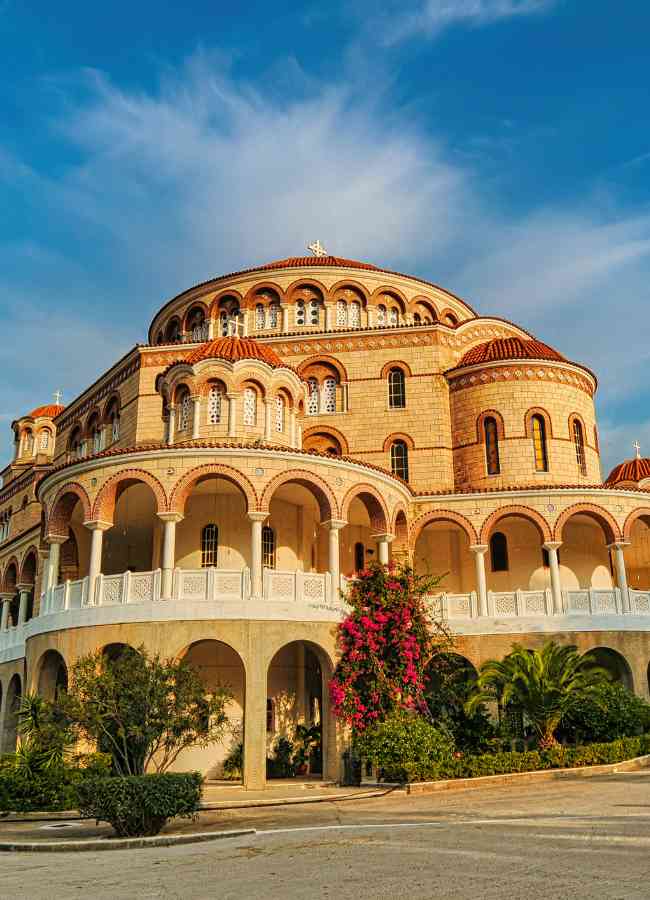
On your way back to Aegina Town from the Temple of Aphaia, make sure to stop at the Monastery of Agios Nektarios, located in the heart of the island. Situated along the return route, it’s an easy and worthwhile detour.
The striking Cathedral of Saint Nektarios, one of the largest and most impressive buildings on the island, is hard to miss as you drive past as it rises prominently against the landscape.

>> Parking and entrance to the monastery are free of charge.
As is customary at Greek Orthodox monasteries, modest attire is required: women should wear tops that cover their shoulders and skirts that reach at least the knee, while men are expected to wear long pants rather than shorts. If needed, skirts are available on-site and will be provided at the entrance.
The monastery holds deep spiritual significance, as it was founded in 1904 by Saint Nektarios—one of the most revered figures in the Greek Orthodox Church. His tomb lies within the grounds, and many visitors come to pay their respects.
Visiting Aegina for the day? After the monastery, head back to Aegina Town to wrap up your visit before the last ferry. If you’re staying longer, keep reading for more things to do and find the perfect place to stay overnight.
Explore the Coast of Aegina
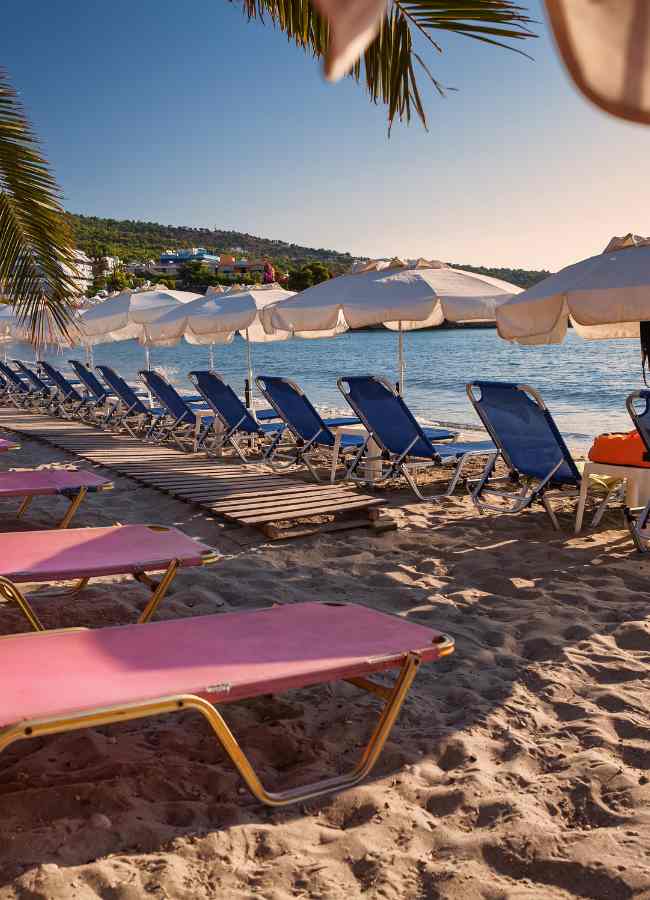
Explore the rest of the island either by heading north or south along the coastline. The northern part is home to most of the popular tourist attractions, while the southern coast has some of Aegina’s most beautiful and tranquil beaches.
Part of the coastal road circles much of the island, providing access to many beaches along the way. Some of them are quiet and uncrowded, so you could easily spend the entire day unwinding on one of these shores and consider it time well spent.
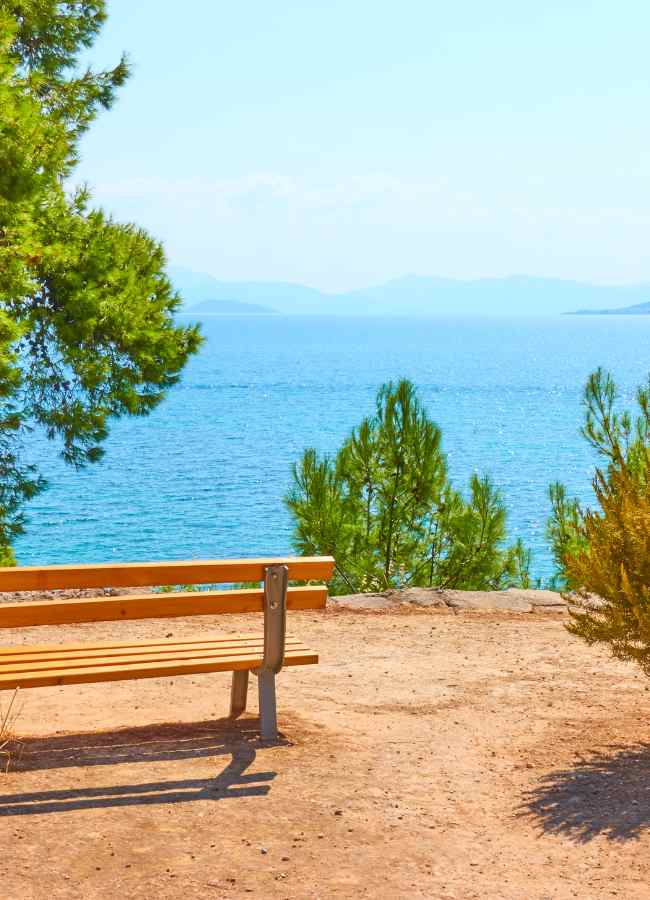
Scattered near many of the beaches, especially along the southern route, you can find laid-back beach bars—ideal for lingering over a freddo espresso or a cold beer while taking in the view.
You’ll also find countless small tavernas and seafood restaurants serving fresh, traditional Greek cuisine. These eateries make for excellent lunch stops. In fact, dining outside of Aegina Town is more affordable and also offers a more authentic experience than the restaurants near the ferry port.
Beaches in Aegina
Among the top beaches that dot the coast of the island, you need to visit at least a couple of them. If you are not sure about which one, these are my top 5 favorite!
Agia Marina
Agia Marina Beach is perfect for families and water sports enthusiasts. This sandy beach has crystal-clear waters and is in one of Aegina’s main resort areas, it’s a popular choice for both locals and visitors.

Perdika is a must-visit on Aegina, not just for its beautiful beach but also for its fishing village atmosphere and the stunning views of the Peloponnese. The beach has a mix of secluded coves, rocky, and sandy beach sections.
A short boat ride from Perdika, the uninhabited island of Moni features a small sandy beach and a lovely taverna. Taxi boats take about 15 minutes from Perdika, or you can also depart from Aegina Town for a longer ride.
Located in a small fishing village, Marathonas is one of Aegina’s most popular beaches. Well-organized yet tranquil, it’s a top destination on the island.
If you’re looking for more than just relaxation, head to Marathonas for water sports like snorkeling and diving. Afterward, enjoy fresh fish and seafood at one of the local tavernas nearby.
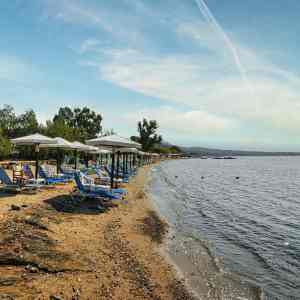
Souvala Beach
Souvala is a charming little bay near the village of the same name, perfect for exploration. Known for its natural hot and cold springs, this sandy, shallow beach offers a peaceful spot for a relaxing afternoon on Aegina.
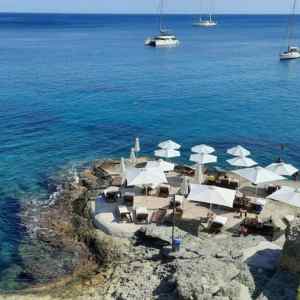
Kavouropetra
If you enjoy secluded, tranquil spots with a touch of the exotic, Kavouropetra is a must-visit. With its peaceful atmosphere and stunning views of the island and surrounding landscape, it’s the perfect place to unwind and take in the beauty of Aegina.

Other beautiful beaches to explore include Paralia Eginitissa, and Paralia Klima, a stunning bay with crystal-clear turquoise waters.
When visiting Greek islands and their beaches, don’t forget to bring a hat, sunscreen, and plenty of water to stay hydrated.
Fun Facts About Aegina
Did you know Aegina is part of an extinct volcano? The island has a triangular shape with a distinct northern side, home to fertile plains where crops like grains, cotton, almonds, olives, figs, and—of course—pistachios thrive. Aegina is also famous for its historic sponge fisheries.
The southern part of the island, which is volcanic, features a more rugged and barren landscape. It’s here that you can find Mount Oros, the highest point on Aegina.
Aegina’s Traditional Villages
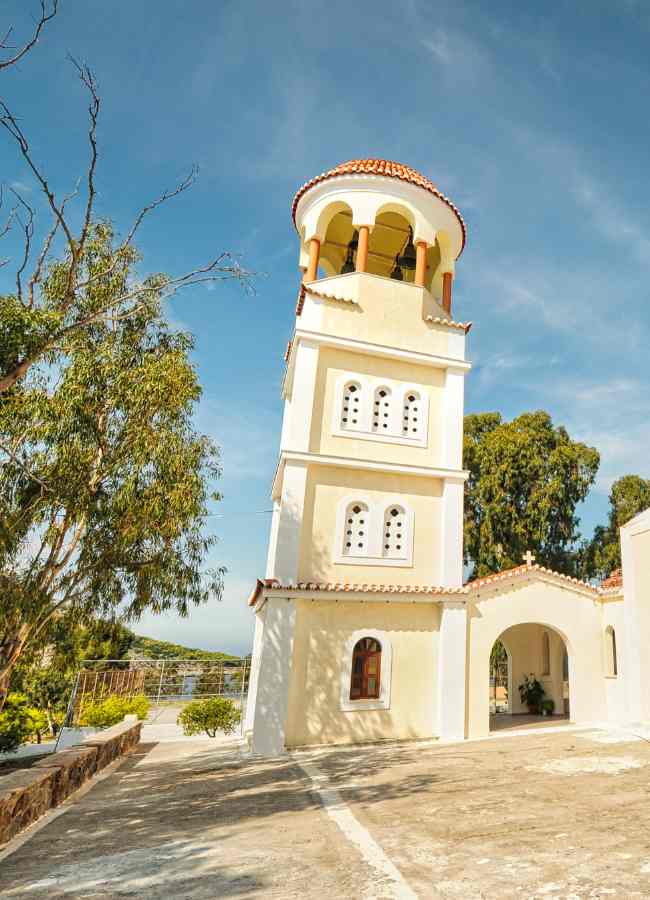
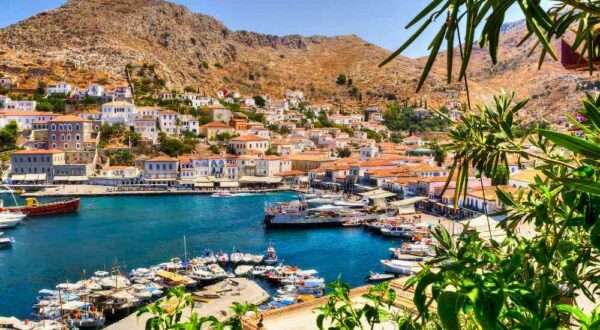
Exploring the charming fishing village of Perdika is one of the highlights of Aegina. You can easily reach it by a short drive or a scenic boat ride from Kalamaki.
Perdika offers a romantic setting, perfect for enjoying dinner at a local fish taverna, or simply watching the sunset and strolling through its quaint alleys.
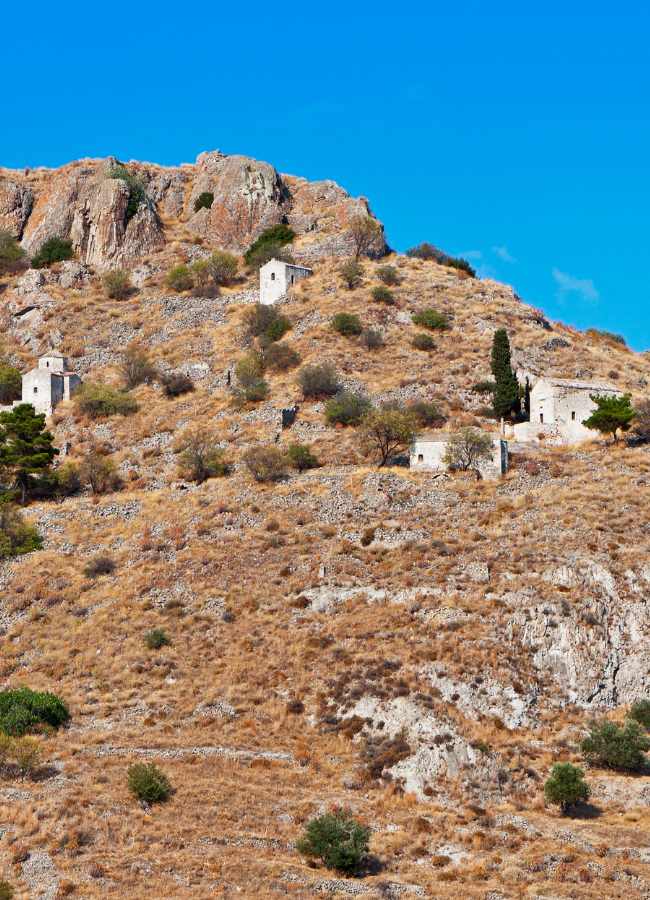
For a deeper look at the island’s architecture, visit the nearby village of Kypseli, famous for its unique churches and the pistachio trees that bloom throughout the area.
To uncover more of Aegina’s history, head to Paleachora, the island’s former capital. This historic settlement is home to ancient stone chapels, including the twin churches of Agii Giorgos and Dimitrios, which sit atop the site of a medieval fortress.
Tower of Markellos
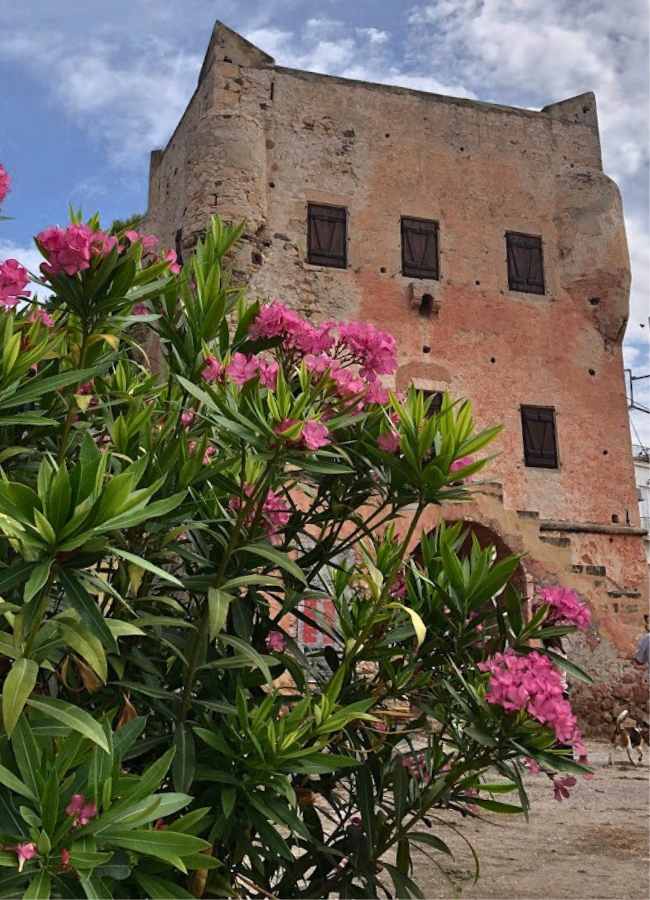
The Tower of Markellos is a striking salmon-pink structure left on the island by the Venetians during their second occupation. This stone fortification, originally built to defend against Ottoman forces, was used as a military headquarters during the 1821 Greek Revolution.
The tower was likely constructed in anticipation of the Ottoman siege that occurred in 1715, a time when many similar fortified structures were built across the region.
After the Turks took control of the island, the tower was abandoned, but it later became the headquarters for the temporary government of the fledgling Greek state. Over the years, the tower also served as a police station and housed various government offices.
Churches and Museums in Aegina
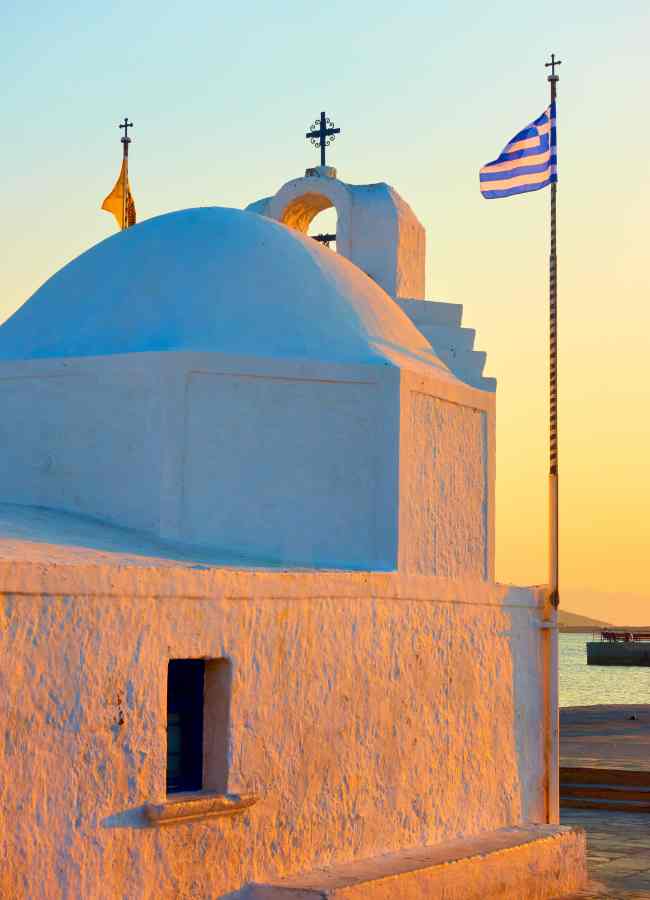
Aegina is home to a few other museums worth exploring. One notable stop is the Folklore Museum, located in the heart of Aegina Town.
You will find maps, manuscripts, traditional costumes, and furniture, offering a portrayal of the island’s culture, history, and traditions.
Tthe Christos Kapralos Museum is the former workshop of the renowned Greek sculptor. This unique museum displays a stunning collection of his works, making it one of the island’s most original cultural sites.
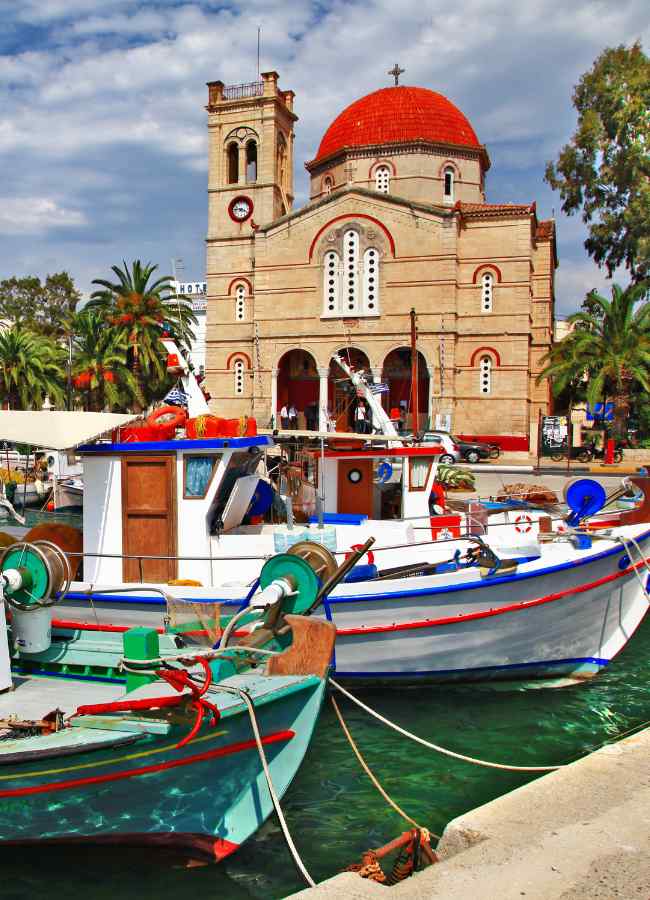
The island is home to several other beautiful churches and monasteries worth visiting, including the charming Agios Nikolaos and Isodia Theotokou churches near the port.
Another highlight is the Monastery of Saint Catherine, a stunning convent set amidst lush gardens and vibrant flowers, offering a peaceful and picturesque retreat.
What and Where to Eat in Aegina
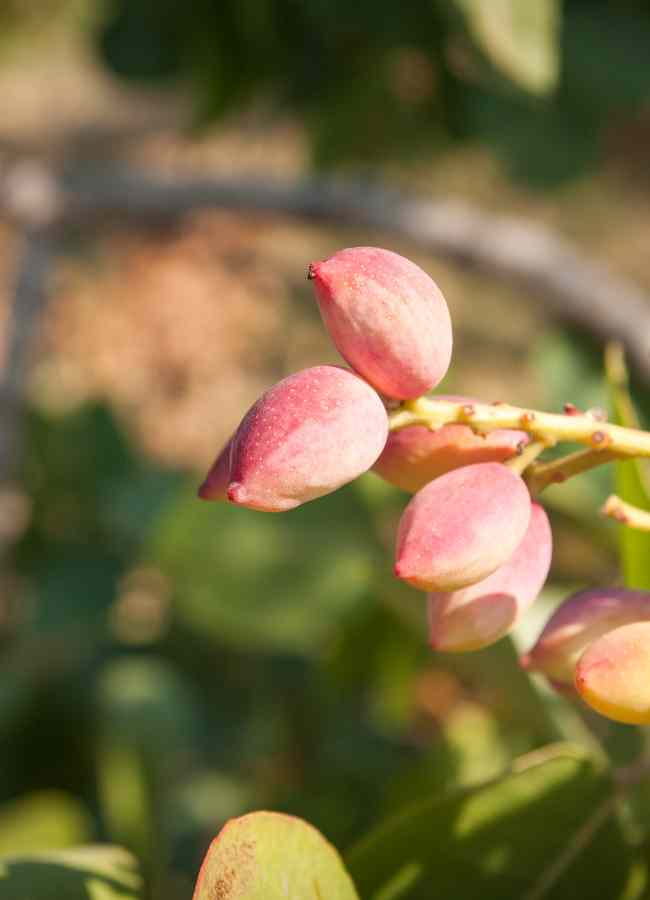
As mentioned, pistachios are a must-try on Aegina. They’re the island’s main crop and are renowned for being some of the best in the world. If you’re visiting during the Fistiki Festival in September, you’ll have the chance to sample these famous pistachios while also learning about local crafts and traditions.
But Aegina’s culinary delights don’t stop there—fish plays a starring role! Head to one of the island’s quaint fishing villages and savor the catch of the day.
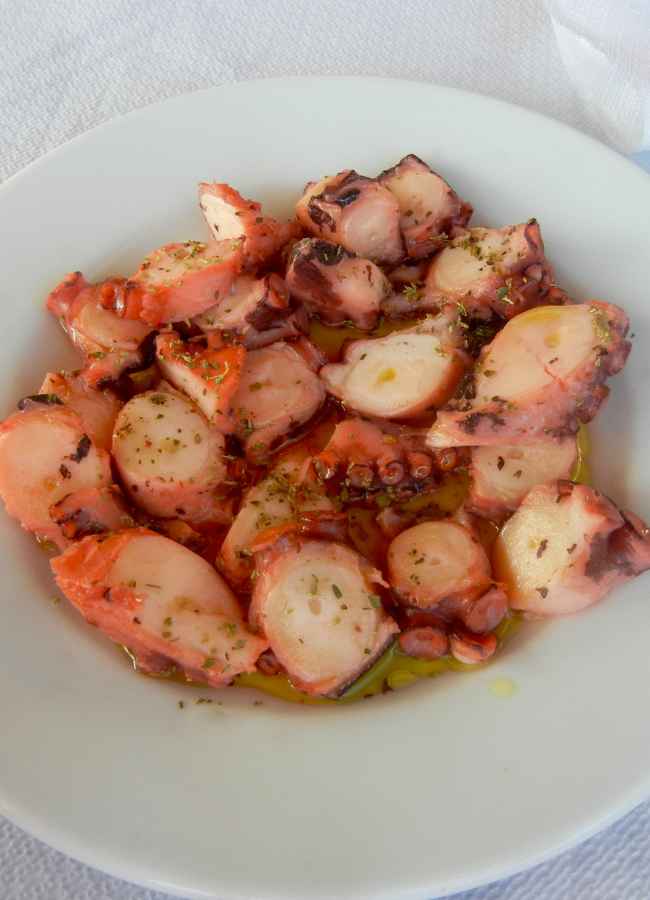
Local fish tavernas often serve anchovies, octopus, boque, swordfish, yellowfin tuna, grey mullet, and red mullet. One fish you must try is katsoula, a local flatfish similar to sole but with a pink hue. It’s commonly found in Aegina, as well as in Rhodes.
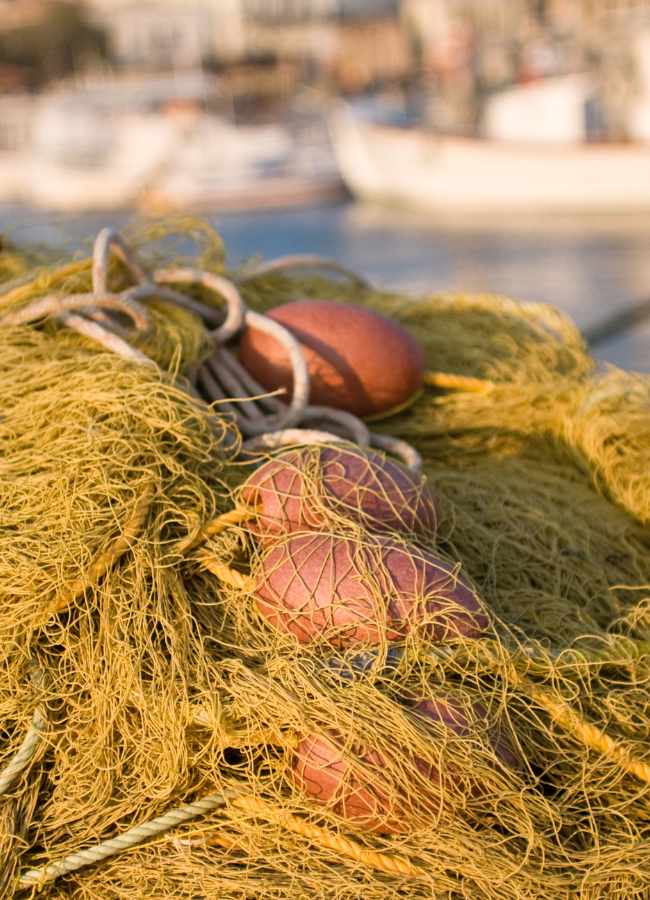
In Aegina Town, near the fish market, you’ll find simple, no-frills fish tavernas that exude authentic charm. These spots are perfect for immersing yourself in the island’s vibrant fish market scene.
Aegina is the perfect day trip from Athens, offering an authentic Greek island experience without the overwhelming crowds. It’s an ideal destination for a longer stay as well.
For those who work online or remotely, Aegina is a fantastic place to spend a few days. The island is affordable, and escaping the hustle and bustle of Athens makes for a refreshing change of pace.
To wrap up, here’s some useful information to help you make the most of your visit to Aegina:
Where to Stay in Aegina

Planning a summer vacation in Aegina to enjoy its beaches, archaeological sites, and famous pistachios? Start by considering your accommodation. The island offers a variety of rental homes and hotels to suit different budgets.
Accommodation Options:
- Budget: Rooms under €50 per night.
- Mid-Range: Rooms between €50 and €80 per night.
- Luxury: Rooms over €100 per night.
For a more personalized selection, here are some of my favorite places to stay:
Things to Know About Aegina
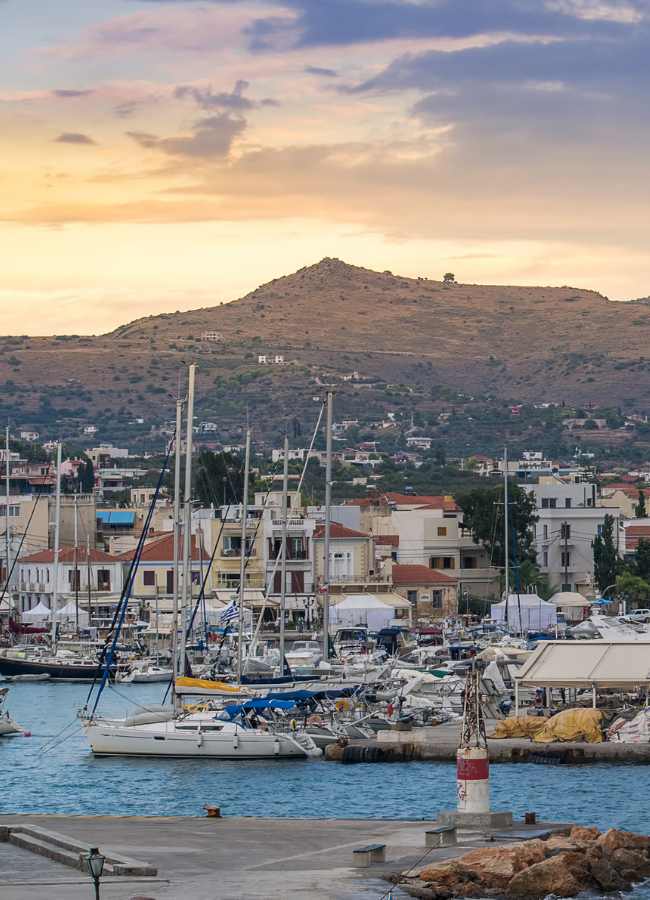
Aegina is one of the closest islands to Athens, just 27 kilometers (17 miles) from the Greek capital. It offers a peaceful escape with a relaxed atmosphere, still largely untouched by mass tourism. Aegina is best known for its delicious pistachios, which are sold in almost every shop and by local vendors—be sure to grab a bag during your visit.
As with many places in Greece, its name is tied to Greek mythology. Aegina was a figure in ancient myths, the daughter of the river god Asopus. Her son, Aeacus, whose father was Zeus, eventually became a king of the island.
On Aegina, you’ll be able to get a condensed taste of the typical Greek island lifestyle. Find pretty beaches, historic places, and ancient sites, and lots of local products to try. No matter how small you might think Aegina is, there’s a lot to do over there.
How to Get to Aegina
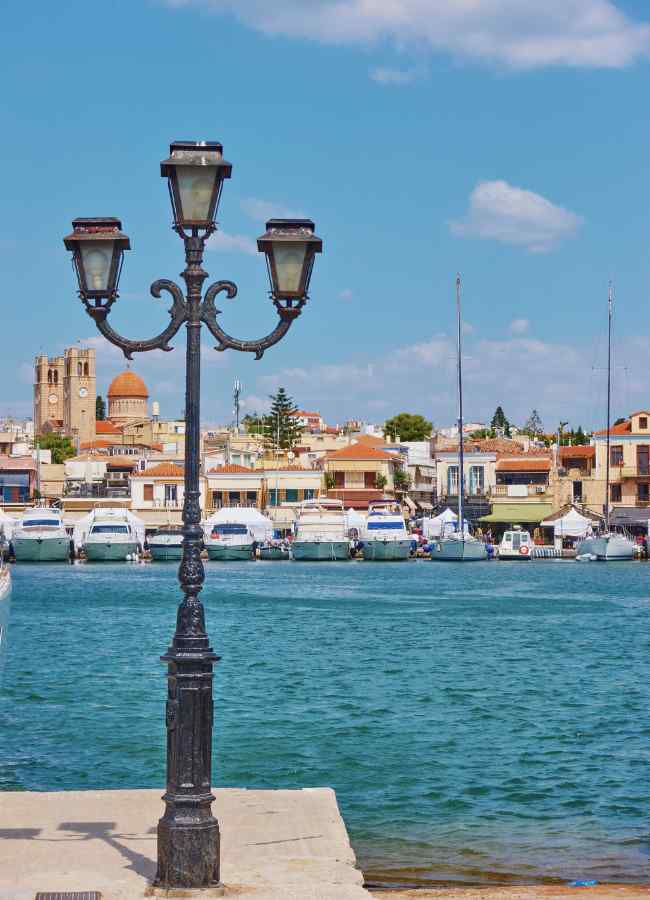
Getting to Aegina is relatively easy. It’s only accessible by boat, and several ferries arrive every day from the port of Piraeus in Athens.
Ferry Options and Prices:
- Standard Ferries: Ticket prices range from €10.50 to €19.50, depending on the ferry type and whether you travel with a vehicle.
- High-Speed Ferries: These are available at a higher cost, with prices varying based on the operator and season.
Travel Time:
- Standard Ferries: Approximately 40 minutes to 1 hour.
- High-Speed Ferries: Around 40 minutes.
Operating Hours:
- First Departure: Around 6:30 am from Piraeus.
- Last Departure: Between 8:00 pm and 10:00 pm from Piraeus, varying by season.
Please note that ferry schedules and prices can vary based on the season and operator. It’s advisable to check the latest information and book your tickets in advance.
Pin for Later!
Things to Do in Aegina


Gabi Ancarola
I have been living in Chania, Crete, since 2016. This has given me an intimate knowledge of Greece. In Crete, I’m a travel writer and also host culinary experiences. I co-authored DK Eyewitness Top 10 Crete. I write about Crete at Crete Insider and about Greek food at My Cretan Recipe.